Predicting the Future of Australia’s Science and Technology Innovation Hub in the Wake of Mass Layoffs
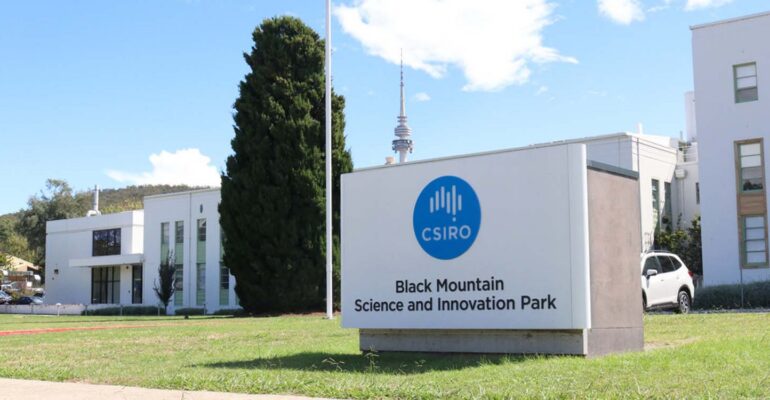
The Commonwealth Scientific and Industrial Research Organisation (CSIRO) has long been a source of pride for Australia. For decades, this research organization has produced a range of remarkable innovations widely used around the world, such as Wi-Fi technology, polymer banknotes, and the Hendra vaccine.
Nevertheless, the recent layoffs of 350 employees have raised concerns about the future of Australia’s research and innovation capacity. This comes despite the government having just injected an additional AUD 387,4 million in funding.
According to Prof Ronny Rachman Noor, a researcher at IPB University, this situation serves as a critical signal for the future of Australia’s research ecosystem. “The mass layoffs at CSIRO are actually not just due to a lack of funding, but also part of a restructuring strategy to align research priorities with the government’s agenda,” he said.
This move is part of a strategic restructuring focused on government priority areas, such as advanced technology, health, clean energy, and pandemic preparedness.
Another factor is organizational efficiency. Additionally, competitive pressure from technology companies and artificial intelligence (AI) has caused CSIRO’s national patent rankings to decline.
“The decline in the number of patents and experts could slow the process of bringing new technologies to market and ultimately affect Australia’s competitiveness.” said Prof Ronny
Equally important, massive layoffs at a renowned research institution could lead the public to believe that Australia is not serious enough about supporting research and development. As a result, private investment in the technology sector could decline.
“We also need to be concerned that the impact could ripple out to other industrial sectors, such as agriculture, energy, and health, which rely heavily on CSIRO research. Consequently, innovation may be delayed and production costs may rise, and of course, we all want to avoid that,” he said.
According to him, CSIRO’s future hinges heavily on the Australian government’s policies. With consistent fiscal support, innovation regulations, and ongoing industry incentives, CSIRO can become a key driver in accelerating science based economic growth. Conversely, if policies are often short-sighted and poorly coordinated, there is a risk that CSIRO will lose its vital role.
On the other hand, CSIRO’s future also depends on its ability to manage restructuring and build new collaborations externally. If this new focus strategy succeeds, CSIRO has the potential to once again become a globally recognized center of innovation.
“But if the restructuring merely results in a reduction in capacity without a clear direction, Australia could lose one of its greatest research assets,” stated Prof Ronny. (*/Rz) (IAAS/DON)