
IPB University Expert Explains Opportunities and Challenges of E10 Gasoline Implementation
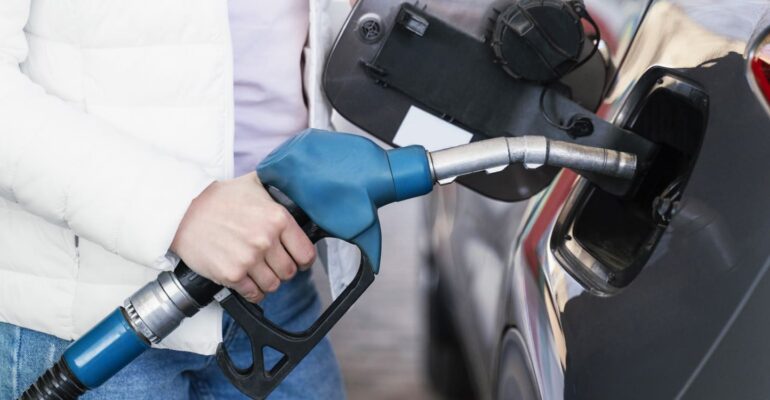
The government plans to mandate the use of 10 percent ethanol fuel, or E10, in all gasoline products in Indonesia.
In response to this, Dr Leopold Oscar Nelwan, a lecturer in Mechanical and Biosystems Engineering at IPB University, explained that bioethanol-based gasoline products are already available on the market through Pertamina’s “Pertamax Green 95” with a 5 percent bioethanol content. This product is known as E5 Gasoline and is regulated by the Director General of Oil and Gas Decision No 252.K/HK.02/DJM/2023.
According to Dr Leopold, the discourse on the mandatory implementation of E10 in the future is an interesting step to be studied from various aspects. “This policy can have many advantages, but also technical challenges that need to be anticipated,” he said.
He further explained that the implementation of E10 could not only increase the proportion of renewable energy but also support the national strategy towards net zero emissions.
However, he emphasized that reducing greenhouse gas (GHG) emissions depends on many factors, including raw material cultivation practices and the bioethanol processing industry.
“Currently, the main source of bioethanol is still dominated by first-generation biomass, namely sugar and starch-producing plants. The problem is that these raw materials still compete with food needs,” he explained.
Therefore, he believes that the development of raw materials should be directed towards second-generation biomass and beyond, which does not compete with food. “If done wisely, the potential for reducing GHG emissions can certainly be realized,” he concluded.
In addition to environmental aspects, the E10 policy also has the potential to develop the domestic bioethanol industry and absorb more labor. This also opens up a supply chain that involves many parties, especially farmers. “If bioethanol can be produced entirely domestically, Indonesia’s energy independence will be even stronger,” said Dr Leopold.
In terms of fuel quality, he explained that the blending of ethanol with gasoline must meet certain technical requirements. One of them is that the ethanol used must have a water content of less than 0,3 percent volume per volume (v/v) due to its hygroscopic nature or ability to easily absorb water.
“If the water content is too high, the gasoline-ethanol mixture can undergo phase separation, which risks causing corrosion and fuel flow disruption. This problem can be minimized if the water content of the mixture is below 0,15 percent m/m, as applied in E5,” he explained.
Dr Leopold also emphasized the importance of developing stricter standard operating procedures (SOPs). Due to the higher bioethanol content, these SOPs are important to ensure minimal changes in fuel quality—especially water absorption from humid air—so that it reaches consumers safely.
“There are indeed issues when it comes to consumer use, as with biodiesel, in that fuel should not be left unused in car tanks for too long, which could cause the above to happen,” he said.
Dr Leopold added that although bioethanol has a lower calorific value than pure gasoline, this compound has a high octane rating (RON), so mixing it with gasoline can improve the performance of high-compression engines.
“Modern vehicles with high compression ratios actually benefit from high RON fuels such as E10,” he said. (dr) (IAAS/NRA)

