IPB University Innovator Introduces New Variant of Fish Collagen Drink ‘Collagen Z,’ Helping to Promote the Circular Economy
Waste from the fishing industry, which has long been underutilized, is now being transformed into a high-value product in the form of a collagen drink. It is IPB University Prof Mala Nurilmala who has successfully created a fish-based collagen product called Collagel.
“Collagen is a high-value protein widely used in the food, cosmetics, health, and nutraceutical industries,” she said.
Fish waste such as skin, bones, scales, and swim bladders contain high levels of protein and collagen. These materials, Prof Mala explained, are typically only used as animal feed or in simple products like fish skin crackers. Meanwhile, Indonesia remains reliant on collagen imports derived from pork or beef, the halal status of which is not always guaranteed.
New! Collagen Z
In response to this situation, Collagel was officially launched in February 2025. The product has obtained marketing approval from the Indonesian Food and Drug Monitoring Agency (BPOM) and a halal certificate from the Indonesian Halal Product Guarantee Agency (BPJPH).
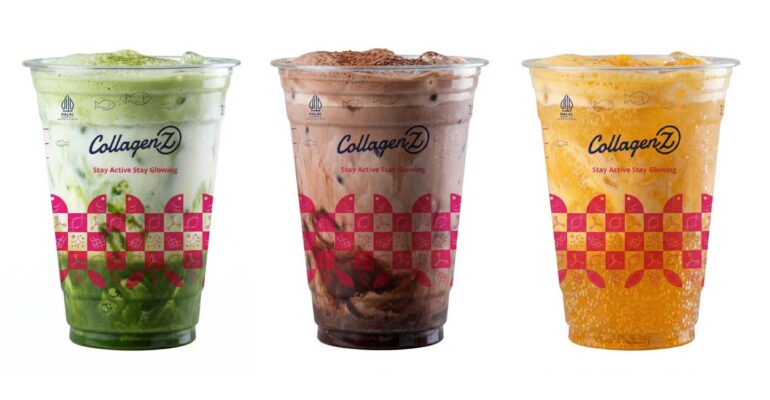
Now, product development has expanded through a new beverage variant, “Collagen Z,” available in various flavors such as coffee, matcha, mango, and berry. This innovation initiative involves PT Telkom Indonesia Tbk through its Social Responsibility Center, in collaboration with the SayHI Foundation and the Halal Science Center (HSC) at IPB University.
The collaboration also takes the form of training and workshops for youth and members of the Family Empowerment and Welfare (PKK) groups in the Bogor and Jakarta areas. Participants receive training ranging from production management and digital marketing to technology-based business record keeping. They are also provided with sales tools such as booths and three wheeled motorcycles to market Collagen Z products.
Noviana Putri Kusumasari, Manager of Business, Government, and Enterprise Services at PT Telkom Indonesia, emphasized, “This innovation is not merely about economic empowerment but also part of efforts to protect the environment through the concepts of the circular economy and sustainability.”
This collaboration between the Halal Science Center at IPB, the SayHI Foundation, and Telkom Indonesia is expected to serve as a model for circular economy based empowerment. In addition to creating new business opportunities, the conversion of fishery waste into collagen products is also seen as a way to reduce environmental pollution.
This program is also open to replication in various regions to support community economic self reliance, environmental sustainability, and the strengthening of the halal ecosystem in Indonesia. (dh) (IAAS/WSG)