Do Not Just Sweep Rat Droppings! IPB University Entomologist Warns of Hantavirus Risks
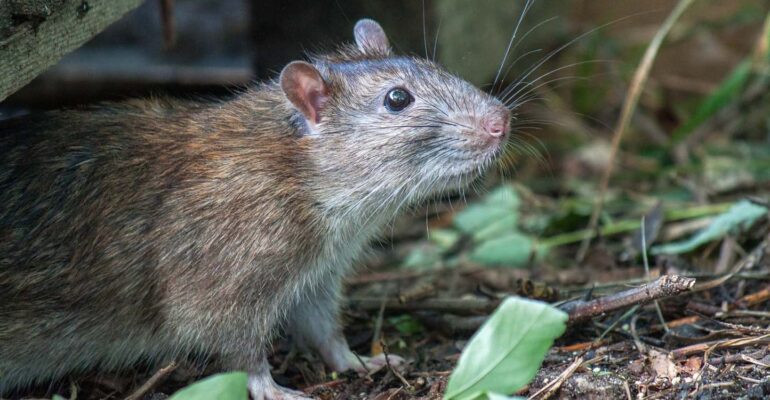
The re-emergence of hantavirus cases has sparked public concern regarding the spread of this rodent borne disease. In response, Prof Upik Kesumawati, Chairperson of the Health Entomology Laboratory at the School of Veterinary Medicine and Biomedicine, IPB University, reminded the public of the importance of vigilance without causing undue panic.
Prof Upik Kesumawati explained that hantavirus is a group of zoonotic viruses transmitted by rodents, particularly rats. This virus has actually been documented in research in Indonesia since the 1980s and can cause serious disorders in the lungs and kidneys.
“This virus has been around for a long time, and rats are the primary cause. However, we urge the public not to worry excessively,” stated Prof Upik Kesumawati.
She noted that humans can become infected after inhaling dust contaminated with the urine, feces, or saliva of infected rats. Transmission can also occur through direct contact with rat droppings or contaminated food.
According to guidelines from the Ministry of Health of the Republic of Indonesia, hantavirus generally causes two main syndromes: Hantavirus Pulmonary Syndrome (HPS), which attacks the respiratory system and causes fluid accumulation in the lungs, and Hemorrhagic Fever with Renal Syndrome (HFRS), which affects the kidneys.
Initial symptoms of hantavirus infection include fever, muscle aches, especially in the thighs, back, and shoulders, fatigue, headaches, and gastrointestinal disturbances. In more advanced stages after 4–10 days, as explained by the Ministry of Health via its official website, patients may experience coughing, rapidly progressing shortness of breath, and a decrease in blood oxygen levels.
Meanwhile, in HFRS cases, symptoms can progress to low blood pressure, shock, blood vessel leakage, and even acute kidney failure. Prof Upik also highlighted one type of hantavirus currently drawing global attention, the Andes virus, as it is reported to have the potential for human to human transmission, although such cases remain extremely rare.
As a preventive measure, the IPB University Entomologist urged the public to maintain the cleanliness of their homes and surrounding environments to prevent them from becoming breeding grounds for rats.
“Do not immediately sweep or vacuum dry rat nests and droppings, as virus particles can become airborne and inhaled. Wet the area first using a disinfectant solution,” she explained.
In addition, the public is advised to routinely wash their hands with soap and running water after performing activities in areas that could potentially serve as rat habitats.
She also reminded the public to immediately seek medical attention at a healthcare facility if they experience a fever accompanied by respiratory or kidney problems after being exposed to environments suspected of containing rat droppings.
According to data from the Ministry of Health of the Republic of Indonesia, hantavirus is classified as a rare disease but carries a fairly high fatality rate. The mortality rate for HPS can reach approximately 40 percent, while HFRS ranges from 5–15 percent. Therefore, controlling the rat population and maintaining environmental hygiene are considered vital steps to prevent the spread of hantavirus in the community. (Ez) (IAAS/HNF)