Indonesia Imports Pigs from Denmark, IPB University Expert Warns The Heat Stress Risks
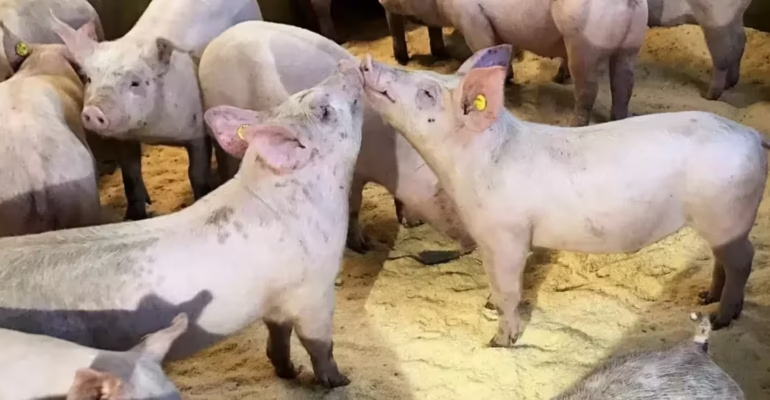
Indonesia imported 546 live Landrace–Yorkshire (LY) breeding sows for the first time; the pigs arrived at Sam Ratulangi Airport in Manado in early July. This import was carried out to help restore the national pig population, which had declined due to the African Swine Fever (ASF) outbreak.
IPB University’s expert in ecological genetics, Prof Ronny Rachman Noor, explained that Indonesia chose to import from Denmark because the country is recognized as the world’s leading center for pig genetics.
“The LY breeding stock is highly regarded, with an average of 14 piglets per litter, more than the 8 typically produced by local breeds, resulting in higher feed efficiency and lower production costs. In addition, the meat is high quality and ASF free,” he said.
However, Prof Ronny highlighted the risk of heat stress for Denmark-imported pigs in Indonesia. Research shows that pigs from temperate climates can experience heat stress when placed in tropical regions. Symptoms include rapid breathing, increased body temperature, and decreased productivity.
Prof Ronny explained that the success of raising imported Denmark pigs in Indonesia depends heavily on the strict implementation of good farming practices (GFP). Managing the pen environment is key to minimizing the risk of heat stress. This can be addressed by ensuring proper ventilation, using cooling systems such as fans and sprinklers, regulating stocking density, and installing slatted floors to keep the pens clean and dry.
In addition to environmental management, adequate nutrition and feed formulations adapted to the tropics play a crucial role in the immune resilience of imported pigs. “Ensure that tropical feed formulations do not contain excessive energy, provide sufficient protein to meet needs, and include minerals such as zinc (Zn) and selenium (Se), which can boost immune resilience,” said Prof Ronny.
He added that an abundant supply of cool, clean drinking water must also be available to prevent dehydration, in addition to providing feed supplements such as probiotics and enzymes to support the digestive system.
Furthermore, health and reproductive aspects are key priorities through the implementation of strict biosecurity measures, area sterilization, quarantine periods, and routine vaccinations to maintain disease-free status. To support reproductive stability, the temperature in the breeding pens must be maintained to ensure optimal breeding cycles.
“Ensure that the temperature in the breeding pens remains stable so that the sows feel comfortable and their estrus cycles are not disrupted. Artificial insemination can improve the genetic quality of Denmark pigs through more accurate reproductive control. In addition, crossbreeding with local pigs can produce offspring that are better suited to and more resilient in tropical climates,” advised Prof Ronny.
Prof Ronny added that social and economic management must also be considered, including training for farmers so they can master Denmark technology. Sustainable business development is crucial to ensure livestock are not overly dependent on imports and to support local breeding programs.
“By implementing biosecurity, adaptive nutrition, and modern pen management, Denmark pigs can thrive and even increase their productivity in Indonesia,” concluded Prof Ronny. (MHT) (IAAS/KQA)