IPB University Expert: El Niño Could Potentially Increase Human and Wildlife Conflicts
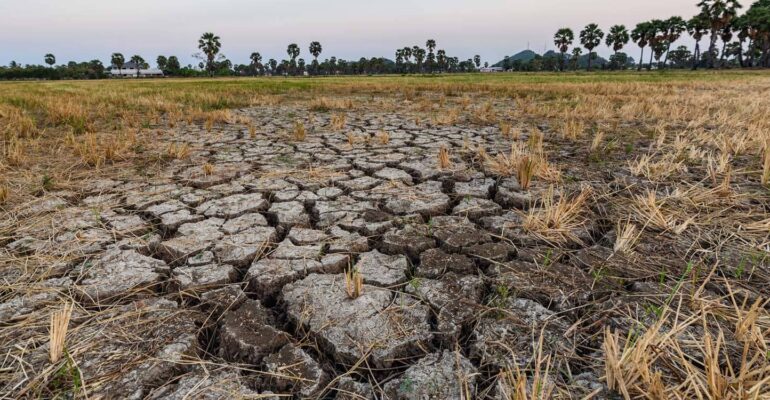
Climate change caused by the El Niño phenomenon has the potential to trigger an ecological crisis in Indonesia, ranging from the disruption of wildlife habitats to an increase in human and wildlife conflicts.
Dr Abdul Haris Mustari, a lecturer in Forest Resource Conservation and Ecotourism at the Faculty of Forestry and Environment, IPB University, explained that El Niño causes a significant decrease in rainfall, leading to prolonged droughts and drier environmental conditions.
These impacts are not only felt by humans but also severely affect the lives of wildlife in their natural habitats. “Directly, rising environmental temperatures and drought lead to a reduction in food and water availability for wildlife,” he said.
He added that the decline in productivity of food plants such as fruits, leaves, and understory vegetation will affect the survival of wildlife. Due to these resource constraints, many wild animals are forced to expand their ranges.
“Animals may leave their forest habitats and venture into plantation areas or even human settlements in search of food and water. This situation increases the potential for conflict between humans and wildlife,” explained Dr Mustari.
Furthermore, he explained that habitat disruption also affects the overall balance of the ecosystem. Forest fires, which frequently occur during prolonged dry seasons, exacerbate the situation by destroying habitats, reducing wildlife populations, and disrupting plant reproduction and seed dispersal.
“When the food chain is disrupted and forest regeneration is hindered, the balance of the ecosystem is also destabilized,” he explained. This condition, he said, can have long-term impacts on the sustainability of biodiversity.
Regarding the increasing interaction between wildlife and humans, the public is urged to remain calm and not act rashly. He suggested that the presence of wildlife be immediately reported to the authorities, such as local officials and the Natural Resources Conservation Agency (BKSDA). In emergency situations, animals can be safely driven away using simple tools without harming or killing them.
As a preventive measure, Dr Mustari emphasized the importance of preserving the natural habitats of wildlife. He stated that collaboration between the government, the public, and local leaders is essential to prevent deforestation and raise awareness of the importance of ecosystems.
According to him, protecting forests means protecting life as a whole. He also reminded that the extinction of a single species can lead to the loss of balance in other forms of life, including humans. (dr) (IAAS/LAN)