Corn Leaves Polybag Created by IPB Students Won the First Winner for National Student Writing Competition
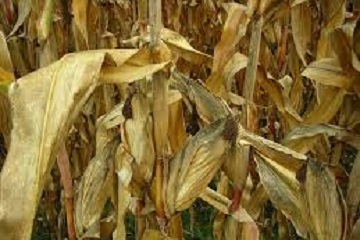
Corn stalks and leaves, make up a third of the total solid waste produced. Corn leaves waste are generally utilized by the community as animal feed, especially ruminants. Utilization of protein and vitamins from green biomass of plants in monogastric animal nutrition will play a very important role in improving the economic utilization of agricultural products. In ruminant and monogastric animal feeding, appropriate mineral or mineral-vitamin concentrates should be added to the feed produced on the farm. The content of protein and fiber in corn leaves causes high feeding rate of livestock. In addition, corn leaves can also be processed into bioethanol that is useful as a source of renewable energy. "People are looking at using cellulose to make ethanol, we can make ethanol from exploded corn stover, but once you have the sugars, you can make electricity directly."
Three students of the Department of Agronomy and Horticulture of the Faculty of Agriculture of Bogor Agricultural Institute (FAPERTA IPB) utilized waste corn leaves to process further into polybags. Polybag maize leaf was initiated by three students namely, Komang Jodi Indra Pujawan, Dwika Syattwa Arandito, and Muhammad Fikri Ibn Salam.
The work of Komang and the group won the 1st winner in the National Student Writing Competition (Loktimnas) held by Agronomy Student Association of Sriwijaya University, on 21-23 August. In this Loktimnas event, the IPB group was the first winner, and followed by Universitas Padjajaran as the second winner, and Universitas Brawijaya as the third winner.
This idea came to the group after they had undergone the internship work in Cianjur. They chose to use corn leaves as polybags because corn waste has not been utilized yet and has no economic value. The phenomenon of corn waste in their place of practice also strengthens the creation of polybags made from corn leaves.
"We call this Polybag" Biotray Daun Jagung (Organic Breeding System and Zero Waste). In addition to utilize the waste which would otherwise be lost to landfill sites, Biotray maize leaves is to facilitate the germination process in a confined area. In addition, the innovative work will also maintain the root system vegetable crops so as to minimize the death and reduce the cost of embroidery. Because it is made of leaves, we expect that the polybag can add soil organic matter and improve soil fertility, "said Komang.
Method to process corn leaves into biotray is very easy, corn leaves are folded enough to form a tube and then the ends of the leaves are buttoned using a bone leaves. "Biotray is only used for horticultural crops because of its small size and tiny polybag," he said. (Wied)