Is Goat Meat Really the Cause of Hypertension?
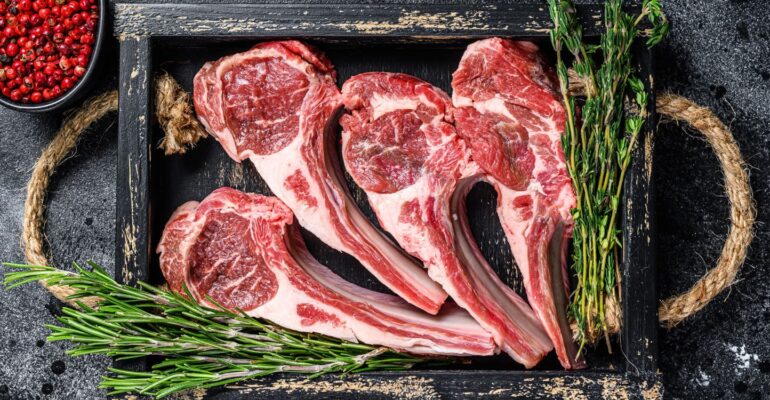
The myth circulating in society that goat meat is “hot” and causes hypertension is widespread and widely believed. This conclusion is based more on belief than scientific data. So it’s no surprise that goat meat—despite its delicious aroma and distinctive taste—is often avoided by some people.
Like other red meats, goat meat is not scientifically proven to cause hypertension. However, it can be linked to hypertension due to the way it is prepared and consumed.
Getting to Know Goat Meat
The nutritional value of meat is greatly influenced by the type, genetic factors, and livestock management. For example, grazing livestock generally produces healthier meat. It also contains less saturated fat and cholesterol than livestock produced in a fattening system.
In terms of nutritional value, goat meat, known as chevon, is a healthier red meat option. This is because it has lower fat content, higher protein density, and a better cholesterol profile than beef and lamb.
Chevon contains less saturated fat than other red meats, which is beneficial for heart health. In addition, goat meat is rich in iron and protein, which support overall health.
Goat meat does contain moderate amounts of cholesterol, but less than beef and lamb. Therefore, if goat meat is consumed in moderation, it will not drastically increase blood pressure and cholesterol levels.
Causes of Hypertension?
Research shows that with a moderate and balanced diet, consuming goat meat has been proven not to affect blood pressure and fat profiles in individuals with mild hypertension.
This study also reveals that people with hypertension are recommended to limit their consumption of red meat, especially processed meat that is high in saturated fat. Therefore, goat meat, if prepared correctly and low in fat, is a better alternative for people with hypertension than other red meats.
In understanding the causes of hypertension, we need to understand that the method of preparation has a greater impact than the meat itself. Frying or cooking with excessive salt, butter, or fatty sauces can turn healthy meat into a food that increases the risk of hypertension.
In addition, portion size also needs to be considered. Excessive consumption of red meat, including goat meat, can cause cardiovascular stress. The portion size of red meat consumption depends heavily on the individual’s health status. People with hypertension or cardiovascular conditions should monitor their intake of red meat, including goat meat.
How to Cook Goat Meat More Healthily
As explained above, goat meat is safe to consume as long as it is not excessive, and by paying attention to how it is cooked and served.
When buying goat meat, choose goat meat that does not contain excessive fat. Before cooking, it is recommended to remove the fat attached to the meat to ensure that the cooked goat meat contains as little fat as possible.
When seasoning the meat, it is advisable to use spices and herbs that are low in sodium. The recommended cooking methods are grilling, roasting, or boiling. It is best to avoid frying goat meat. In addition, use recipes that combine goat meat with vegetables and whole grains to produce a balanced diet.
Nutritional Value Comparison
In general, goat meat contains less saturated fat than other red meats such as beef and lamb. It also has a higher protein and iron content.
In terms of calories, goat meat contains 122 calories per 100 g, which is lower than beef at 190 calories and lamb at 175 calories. With its lower calorie content, goat meat can be used as a food source to maintain a stable body weight.
The most notable nutritional value of goat meat is its total fat content, which is much lower than other red meats. Every 100 g of goat meat contains only 2,6 g of fat, compared to beef, which contains 7,9 g of fat, and lamb, which contains 8,1 g of fat.
In addition, the saturated fat content of goat meat is also much lower than other red meats. Goat meat contains 0,79 g of saturated fat, while beef contains 3,0 g and lamb contains 2,9 g.
In terms of protein content, goat meat is almost equal to beef and lamb at around 23–25 g. However, goat meat is superior in terms of iron content, which is 3,2 mg, compared to beef and lamb, which only contain 2,9 mg and 1,4 mg, respectively.
In terms of microminerals, goat meat is richer in copper, zinc, vitamin B2, and iron. However, beef is superior in terms of vitamin B12, B6, and phosphorus content.
In terms of amino acid profile, goat meat is equivalent to beef and lamb. This makes goat meat an excellent source of protein for supporting health.
Debunking the Myth
Nutritional data shows that the cholesterol content in goat meat is actually in the moderate category. This fact debunks the myth that goat meat causes high cholesterol. In fact, the cholesterol levels in beef and lamb are higher than in goat meat.
Goat meat contains less saturated fat. This means that goat meat is a good choice for heart health. In addition, its higher protein density compared to beef and lamb has a positive effect on muscle tone and the replacement of damaged tissue. Its higher iron content also helps prevent anemia. All of this makes goat meat a good choice for maintaining health.
In summary, to manage blood pressure and cholesterol, goat meat can be part of a diet as long as it is consumed in moderation and prepared and cooked properly.
By: Prof Ronny Rachman Noor
Professor of Genetics and Animal Breeding
Faculty of Animal Science, IPB