Fiber Maxxing Trend, IPB University Expert: Fiber Needs Can Be Met From Food Without Supplements
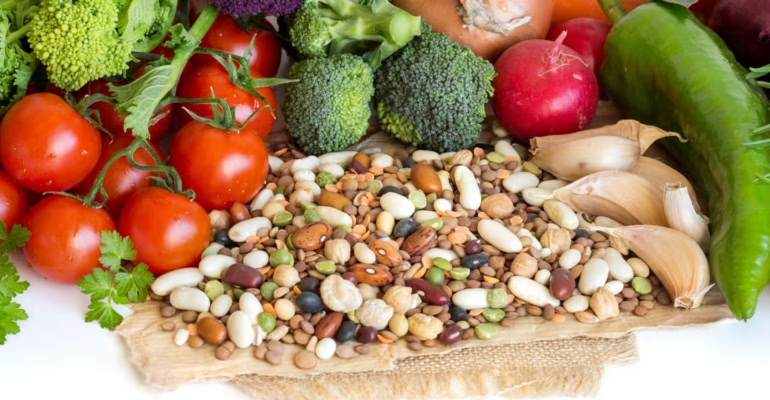
The fiber maxxing trend that is buzzing on social media encourages people to increase their fiber consumption to 50–100 grams of fiber per day for gut health.
However, IPB University public nutrition expert, Prof Ali Khomsan, warns that fiber needs can generally be met through a balanced, nutritious diet without having to rely on supplements.
Fiber maxxing is basically an effort to maximize fiber intake because of its benefits for digestive health. Even so, he emphasizes, fiber consumption must still align with recommended guidelines.
“Any food or nutrient source, if consumed in excess, can certainly cause health problems. Fiber consumed in excess can also interfere with the absorption of other nutrients,” he said.
Prof Ali explains that adults’ fiber needs range from 20–30 grams per day. This amount can generally be met by regularly consuming vegetables, fruits, and whole grains.
Only Under Certain Conditions
According to Prof Ali, someone who has already implemented a healthy and varied diet does not need fiber supplements. Supplements are only needed under certain conditions, such as for elderly people experiencing decreased appetite, patients in recovery, or people experiencing health conditions that make it difficult to meet nutritional needs from food.
“So, supplements are needed within certain limits and depend on the eating problem being faced,” he said.
Five Servings Every Day
Prof Ali reveals that low consumption of vegetables and fruit remains a challenge in Indonesia. Based on various surveys, around 90 percent of the population has not met the recommended consumption of vegetables and fruit, so fiber intake is also low.
In fact, natural sources of fiber are very easy to find in Indonesia. Various types of vegetables and fruits are the best choices, including apples and pears, which are recommended to be consumed with their skin after being thoroughly washed.
“In the skin of apples and pears there is soluble fiber that is good for helping control cholesterol while also maintaining digestive health,” he explained.
He cautions the public not to easily follow trends that only highlight one type of nutrient. According to him, the Balanced Nutrition guidelines and the “Isi Piringku” (Fill My Plate) concept from the Ministry of Health remain the best reference.
“Consume a minimum of five servings of vegetables and fruit every day, or around 400 grams as recommended by the WHO. With a varied diet, fiber needs will be more easily met and health can be sustainably maintained,” he concluded. (Fj) (IAAA/STD)