Bacteria Carrying Antimicrobial Resistance Genes Found in Animal Slaughterhouse Ecosystems, Here’s What Prof Hadri Latif Says
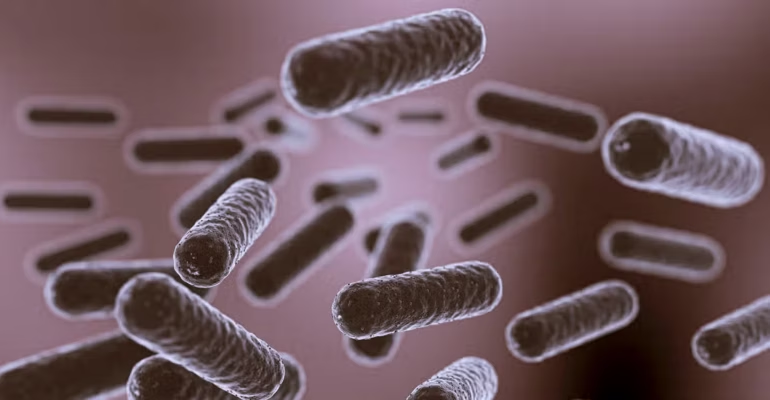
Prof drh Hadri Latif, a professor at the School of Veterinary Medicine and Biomedical Sciences (SKHB) at IPB University, revealed the discovery of antimicrobial resistance genes in Escherichia coli (E coli) bacteria from the ecosystem of an animal slaughterhouse in Banten Province. This finding highlights the potential for the spread of resistance genes among the animal sector, the environment, and humans, a development that warrants vigilance.
“One of the pathways through which microorganisms that are already resistant to antimicrobials can spread is via food,” he stated during the IPB University Full Professor’s Inaugural Lecture on Saturday (10/24).
According to Prof Hadri, resistance genes can be transferred from one bacterium to another through horizontal gene transfer mechanisms, one of which is conjugation. This transfer has the potential to make disease causing bacteria resistant to certain antimicrobials, making infections more difficult to treat.
Genomic Study Reveals Resistance Patterns
In a presentation titled: Tracing Antimicrobial Resistance: A Genomic Approach for One Health Based Policy in Indonesia, Prof Hadri outlined research conducted in Banten since 2023. This study integrates genomic analysis of bacteria from human, animal, and environmental sources.
Researchers used whole-genome sequencing (WGS) technology to comprehensively analyze the bacteria’s genetic material. This technology helps identify antimicrobial resistance genes (ARGs), the location of these genes on plasmids or chromosomes, and the potential for resistance to multiple classes of antimicrobials simultaneously.
In samples from pig slaughterhouses, resistance genes associated with 12 classes of antimicrobials were identified. The potential for resistance to three or more classes of antimicrobials (multidrug resistance/MDR) reached 90 percent in animal isolates, 40 percent in environmental isolates, and 12,7 percent in human isolates.
“In E coli isolates from animals and the environment, approximately 85 percent of the resistance genes were found on plasmids,” explained Prof Hadri. Plasmids are genetic material that can play a role in the transfer of resistance genes between bacteria.
The study also found changes in the resistance gene profile between 2023 and 2026. The mcr-1.1 gene, associated with resistance to colistin, was detected in 2023 but was no longer found in 2026. This change aligns with the discontinuation of colistin use in animals.
Using Antibiotics Wisely
Prof Hadri reminded the public not to use antibiotics indiscriminately, including to treat coughs and colds. “Coughs and colds aren’t necessarily caused by bacteria, in fact, the primary cause is often a virus. And viruses cannot be treated with antibiotics,” he explained.
He emphasized, “Antibiotics were actually created to help and save human lives.” Therefore, antibiotics must be used wisely, according to a doctor’s prescription and instructions, not based on personal assumptions.
According to Prof Hadri, controlling antibiotic resistance requires an integrated approach involving humans, animals, and the environment.
The use of genomic technology can help map resistance genes and support the development of more precise control policies through the One Health approach. (Fj) (IAAS/LAN)