Elephant Day, IPB University Conservation Expert Highlights the Threat of Sumatran Elephant Extinction
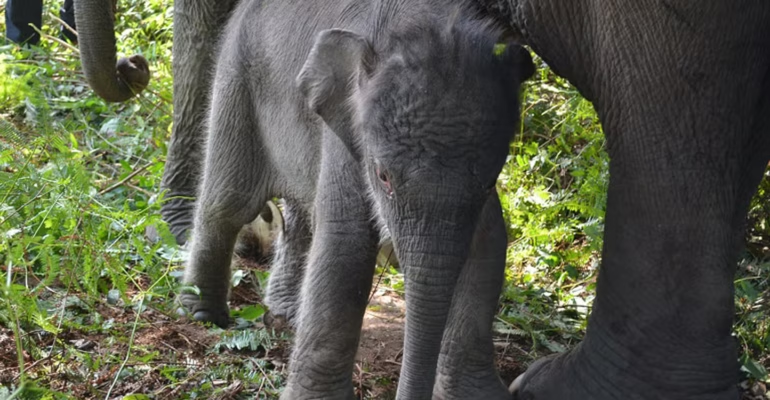
The Sumatran elephant (Elephas maximus sumatrensis) faces a serious threat. Most recently, a Sumatran elephant was found dead in a palm oil plantation in Aceh Tamiang Regency (8/9).
According to IPB University conservation expert Prof Burhanuddin, over the course of three generations, the Sumatran elephant population is estimated to have declined by more than 70 percent, due to habitat loss and fragmentation, as well as ongoing conflicts with humans and poaching.
“The current Sumatran elephant population is estimated to be only about 900–1.350 individuals, down from an estimated 2.400–2.800 individuals in 2007. Its range is also estimated to consist of only about 22 isolated habitat pockets in Aceh, Riau, Jambi, Bengkulu, and Lampung.
“The rate of decline in the Sumatran elephant population over the past three generations is estimated to be more than 70 percent. Their range is also becoming increasingly limited,” said Prof. Burhanuddin, reflecting on World Elephant Day, observed every August 12.
According to him, habitat change and fragmentation are the most serious issues. Infrastructure development. including highways, as well as the conversion of forests into plantations, settlements, and mining sites reduces habitat while simultaneously severing elephant movement corridors.
“Elephants have fixed and regular movement patterns within their ranges. When their habitats and ranges are converted into plantations, settlements, mining sites, or highways, the elephants’ movements inevitably come into conflict with human activities, triggering conflicts,” he explained.
Over the past 10 years, the World Wide Fund for Nature (WWF) has reported that at least 55 Sumatran elephants have been found dead as a result of human elephant conflict and poaching. Habitat fragmentation can also hinder interaction and mating between population groups, thereby reducing gene flow and potentially increasing the risk of inbreeding.
Therefore, Prof Burhanuddin believes that elephant conservation should not be limited to conservation areas but must also encompass habitats and corridors that overlap with human activities. He views the issuance of Presidential Instruction (Inpres) No. 8 of 2026 on the Preservation of the Populations and Habitats of Sumatran and Bornean Elephants as an important step toward strengthening cross-sectoral conservation efforts.
“Elephant conservation is a multi-stakeholder responsibility because the issues at hand relate to the multidimensional nature of spatial functions and ecosystems,” he said.
In addition to habitat protection, communities need to be engaged through awareness-raising, capacity building, and conflict mitigation measures such as wildlife friendly electric fences and patrols. Law enforcement against illegal poaching and ivory trade also needs to be strengthened, accompanied by guidance and economic alternatives for hunting communities.
One approach that has been studied by doctoral students (S3) in the Tropical Biodiversity Conservation (KVT) program at IPB University in Riau is the use of a religion-based approach through Fatwa No. 04 of 2014 issued by the Indonesian Ulema Council (MUI) on the Conservation of Endangered Species to Maintain Ecosystem Balance. This approach emphasizes the prohibition and religious ruling (haram) against illegal hunting of protected wildlife.
Meanwhile, research findings by other KVT students in Aceh demonstrate a different approach to reducing conflicts through the management of plantation crop types. Crops that are less preferred by elephants can be planted on the outermost edges of plantations bordering elephant habitats or corridors.
“Elephant conservation cannot rely solely on protecting the animals themselves. Habitat protection, community empowerment, conflict mitigation, and law enforcement must work together in an integrated manner so that the Sumatran elephant population can continue to be sustained,” he concluded. (dh) (IAAS/HNY)