Do You Like to Chew on Ice Cubes? An IPB University Doctor Explains the Risks and Possible Link to Anemia
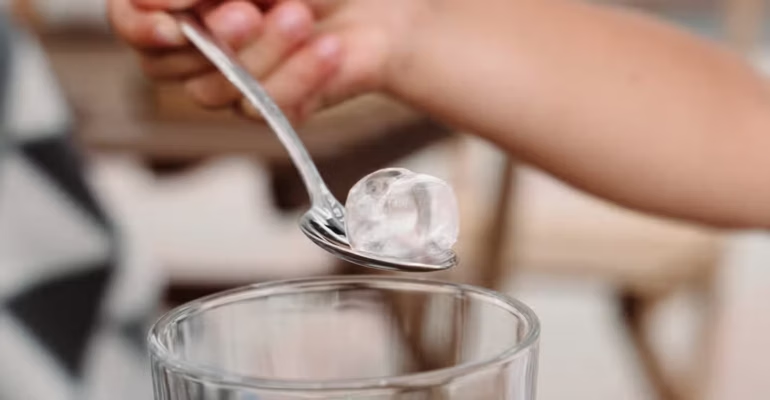
The habit of constantly chewing on ice cubes, which can be difficult to break, should not be dismissed as merely a personal preference. According to the Chairperson of the Health Unit at IPB University, drg Titik Nurhayati, in addition to posing a risk to dental health, this habit known as pagophagia may be linked to iron deficiency or iron deficiency anemia (ADB).
However, she also emphasized that this habit alone cannot diagnose anemia. To determine this, further examination is still required.
The Link to Anemia
drg Titik explained that iron-deficiency anemia reduces the blood’s ability to carry oxygen. For some people, chewing ice may provide a sensation that helps reduce fatigue or temporarily boost alertness.
“If the urge to chew ice is persistent and difficult to control, a person should consult a doctor for blood tests, including hemoglobin and ferritin levels,” she said.
Iron deficiency can also be accompanied by oral symptoms, such as a swollen tongue or canker sores. However, this habit should be evaluated in conjunction with other symptoms and medical test results.
Risks to Teeth
From a dental health perspective, the main risk of chewing ice is the pressure exerted when biting down on a hard object. This pressure can cause teeth to crack, chip, or break, especially molars. Fillings and dental crowns can also become damaged or dislodged. If enamel is worn away or dentin is exposed, teeth may become more sensitive.
“Cold temperatures can trigger sensitivity, especially in teeth that are already sensitive. However, the repeated impact and pressure from biting on ice pose a significant risk to tooth structure. The effects can be more severe in teeth with fillings or prior dental work,” explained drg Titik.
When Should You See a Dentist?
drg Titik also recommends getting your teeth checked immediately if they hurt or appear cracked after chewing ice. Avoid chewing hard foods until you’ve seen a dentist. To prevent damage, stop the habit of biting on ice and find other ways to cool your drinks.
“A persistent and uncontrollable habit of chewing ice cubes may be a reason to consult a dentist. Blood tests, particularly for hemoglobin and ferritin levels, can help evaluate the possibility of iron deficiency anemia. However, this habit alone is not enough to confirm that someone has anemia,” she concluded. (Lp) (IAAS/LAN)