Staying Mentally Healthy During the Holidays: Tips from an IPB University Psychologist
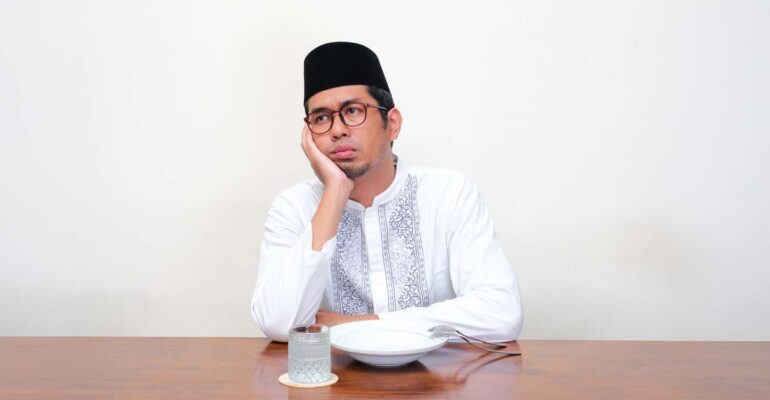
The holidays are synonymous with gathering with family, strengthening bonds, and sharing joy with loved ones. However, behind this warm atmosphere, many people actually experience stress, feelings of inadequacy, and physical and emotional exhaustion.
This situation often arises when gathering with extended family. Personal questions such as “when are you getting married?”, “do you have children yet?”, “where do you work?”, and “do you own a house yet?” are frequently asked and can make some people feel uncomfortable.
Additionally, the drastic changes in daily routines during the holiday season, combined with social pressure and cultural expectations, can also trigger stress. Non-stop hosting or attending numerous invitations can leave some people mentally exhausted.
Psychologist and lecturer at the Faculty of Human Ecology at IPB University, Nur Islamiah, MPsi, PhD, affectionately known as Ms Mia, shared several strategies to help manage stress during the Eid al-Fitr celebrations.
According to her, one important step is to manage self-expectations by setting psychological boundaries.
“We have no obligation, and it’s simply impossible, to please everyone. We often feel we must always smile, serve guests, and maintain a cheerful atmosphere,” she said.
She explained that when the Eid atmosphere feels overwhelmingly busy, it’s important for someone to recognize their own limits. For example, by choosing which conversations to join or taking a moment to calm down without feeling guilty.
“Setting limits on time and energy for socializing doesn’t mean you don’t value others; rather, it’s an effort to maintain mental health,” she explained.
Ms Mia also emphasized the importance of carving out space for oneself amidst social gatherings. In her view, this space is necessary to preserve emotional capacity so one doesn’t easily feel exhausted or offended.
“Carving out space doesn’t mean withdrawing; it’s a way to preserve emotional capacity. Without that space, we’re more likely to feel exhausted, offended, or even empty—even when surrounded by many people,” she explained.
She added that balancing time with family and time for oneself is crucial. One simple way is to carve out a brief moment for oneself, such as waking up earlier to enjoy the tranquility or resting for a few minutes in one’s room.
Social pressures that arise during Eid, such as questions about work or life achievements, can also become a mental burden. To address this, Ms Mia suggests a response that remains polite yet maintains personal boundaries, such as saying, “I’m still working on it, please keep me in your prayers.”
“An answer like this is enough to maintain comfort without having to explain too much,” she said.
She also reminded people not to ignore feelings of fatigue or stress that arise. In her view, such feelings are normal even amidst a joyful atmosphere.
“It’s okay to feel tired amidst a joyful atmosphere. Validating those feelings is important. Find simple ways to calm yourself, such as taking a short walk, performing wudu, or taking time to pray with greater devotion,” she said.
For those celebrating Eid alone, Ms Mia noted that feelings of loneliness might be more pronounced, especially when seeing others celebrate with their extended families. However, she emphasized that such feelings are perfectly normal.
She suggested that individuals maintain emotional connections with their loved ones, even if they cannot meet in person.
“Reach out to loved ones, make a video call, even if just for a moment. Most importantly, don’t bottle it all up alone,” she said.
According to Ms Mia, these simple steps can help someone stay connected and reduce feelings of loneliness amid the festive atmosphere.
She also emphasized that Eid is not a competition to appear the happiest or most successful. “We don’t always have to be strong, and we don’t need to feel like we have to be perfect. Giving yourself some space is actually a sign of emotional maturity,” she concluded. (dh) (IAAS/KQA)