
Why Is It Not Enough to Simply Send ‘Naughty’ Children to Military Camps? Here Is an Explanation from a Psychologist at IPB University Regarding Military-style Disciplinary Policies.
The military barracks training program as a response to the rising rates of juvenile delinquency deserves recognition as a concrete effort to foster discipline and character in the younger generation.
However, for this program to have a long-term impact, the approach used must be complemented by a more comprehensive understanding of the root causes of children’s behavior, particularly from a psychological and ecological perspective.
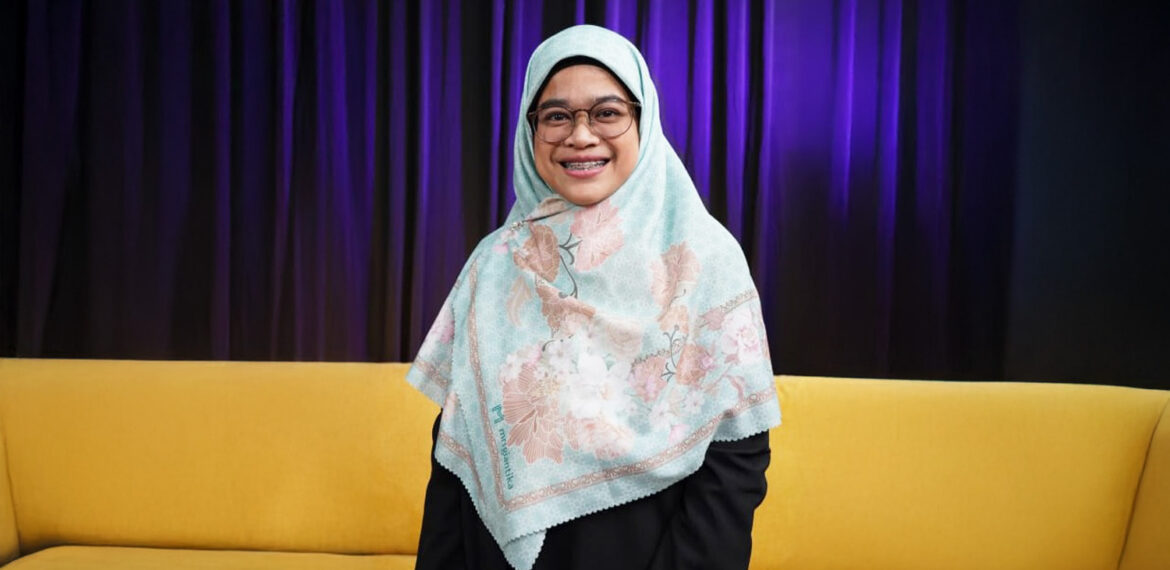
Nur Islamiah, M.Psi, PhD, a psychologist at IPB University and lecturer at the Faculty of Human Ecology at IPB University, stated that in psychology, deviant behavior is not merely a form of delinquency but a “signal” of imbalance in the child’s life ecosystem.
She cited Bronfenbrenner’s ecological theory, which emphasizes that a child’s development is influenced by interconnected systems, ranging from family, school, to the broader social environment.
“When a child exhibits problematic behavior, the important question should be directed at their immediate environment: does the child feel cared for, consistently nurtured, and surrounded by a sense of safety?” said the woman often referred to as Ibu Mia.
Citing Bowlby’s attachment theory, Mia said that the absence of a secure emotional bond with parents or primary caregivers can make it difficult for children to manage their emotions.
In many cases, negative behavior becomes a way for children to “cry out,” a sign of unmet needs.
“If this situation is only addressed with a military-style approach like push-ups, marching, or other physical activities, not only will behavioral changes not be sustained, but there’s also the risk of adding hidden psychological wounds,” she said.
Mia also highlighted Bandura’s social learning theory. This theory emphasizes that children learn through observation and imitation of the figures around them. If they grow up in an environment filled with violence or emotional tension, those patterns are likely to be reproduced.
“Therefore, children are not enough to be given commands, but need to be shown concrete examples of empathy, healthy communication, and emotional control. Therefore, the most crucial point that must not be overlooked in child development is the role and responsibility of parents,” she explained.
Mia continued, when a child is considered ‘naughty,’ it is very likely that what they do is a reflection of the parenting style at home. Therefore, she emphasized, parents also need to be nurtured. It is not enough to nurture children outside the home if the parenting patterns within the family remain unchanged.
“Programs like this will be far more effective if parents are provided with parallel training on healthy parenting patterns, communication skills, and how to manage emotions when dealing with the dynamics of children and adolescents,” she said.
To ensure that changes are truly impactful and sustainable, Mia suggests the need for comprehensive psychological assessments before and after the program. Additionally, psychosocial support is required during implementation, along with regular evaluations that assess not only behavior but also the child’s emotional condition.
“May the policies already implemented continue to be developed into a nurturing environment that not only fosters discipline but also revives noble values within children,” she said. (dr) (IAAS/LAN)

