
A Group of IPB Researchers Utilizing Betel Leaves to Control Salmonella sp. On Quail
Salmonella species are zoonotic bacteria found in the intestinal tract of many animals, including cattle, pigs, horses, other mammals, reptiles, amphibians, and poultry (e.g., chickens, ducks, geese, and turkeys). Fresh and processed poultry have been frequently implicated in cases of human salmonellosis. It is typically associated with the consumption of contaminated foods, such as fresh and processed meat and poultry, eggs, and fresh produce. Although Salmonella is commonly transmitted through food, recent outbreaks have highlighted direct or indirect contact with animals as a frequent route of transmission. To prevent contamination in poultry farms, breeders usually use Antibiotic Growth Promotors (AGP) to control Salmonella. Antimicrobial growth promoters are antimicrobial drugs added to animal feed to enhance growth and improve feed efficiency of food animals.
However, concerns over the increasing emergence of antibiotic-resistant bacteria due to the unreasonable use of antibiotics and an appearance of less novelty antibiotics have prompted efforts to develop so-called alternatives to antibiotics. The utilization of natural antibiotics is one of efforts to replace the role of AGP. Natural antibiotics are usually obtained from plant essential extracts and other secondary metabolites that are capable of inhibiting or killing bacteria.
A group of researchers of the Department of Nutrition Science and Livestock Technology, of the Faculty of Animal Husbandry of Bogor Agricultural University (FAPET IPB), namely Fensa Eka Widjaya, Yuli Retnani and Widya Hermana, implemented the research program on the utilization of betel leaves infusion supplementation towards Salmonella sp. in the small intestine of quails performance.
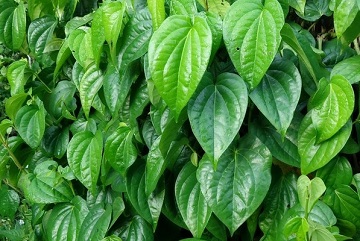
Yuli said, betel leaves infusion has antimicrobial, anti-oxidative, and anti-hemolytic effects. Betel leaves contains a lot of active compounds that can inhibit some bacteria. Its content has been tested in several studies stating that betel leaves has the potential to be used as a natural antibiotic for poultry in some countries.
"The process of betel leaf extraction is also important to examine the effectiveness in inhibiting bacteria. Experimental findings revealed that the ethanol extract of betel leaf potentially inhibit the growth of these foodborne pathogens. The ethanol extract of betel leaf had the greatest potential value against Salmonela. The method of water extraction was easier to do when compared to methods of methanol extraction, "he said.
She added that most of the water extraction methods do not show inhibiting growth in Salmonella colonies. But the right method of water extraction is capable of producing better results when compared to the ethanol extract. Based on these findings, it could be concluded that hydroxychavicol and eugenol were the responsible compounds for the promising antibacterial activity of betel leaves methanolic extract. This inhibitory action has significantly correlated with the amount of the compounds in extract. Due to its potential, the extract of betel leaves or it compounds can be alternative source of potent natural antibacterial agents for aquaculture disease management.
The results showed that the addition of betel leaf infusion in drinking water of quail could reduce contamination of Salmonella sp. which was evaluated in the small intestine with treatment for 6 weeks. (Wied)

