
Fiber-Rich Jelly Drinks Made of The Red Seaweed (Eucheuma cottonii) and Spirulina platensis
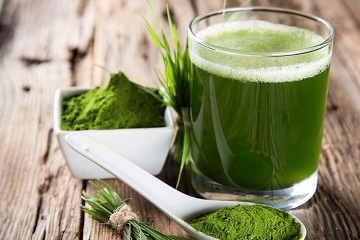
Jelly drinks is one of the most fiber-rich foods that are generally consumed by all ages. Fiber is something the body needs but never actually digests, in fact, it remains more or less the same from plate to toilet. It comes in two varieties, soluble and insoluble, and most plant-based foods contain a mixture of the two. Soluble fiber turns to gel in the stomach and slows digestion, which helps lower cholesterol and blood glucose. Insoluble fiber, on the other hand, remains unchanged all the way to the colon, making waste heavier and softer so it can shimmy through the intestines more easily. Foods that contain fiber is good for consumption every day, especially to maintain digestive health. In addition, jelly is also good to prevent serious illnesses such as colon cancer or just help lose weight.
Wini Trilaksani, Iriani Setyaningsih and Dita Masluha are member of group of researchers of the Department of Technology of Aquatic Products (THP) of the Faculty of Agricultural Technology of Bogor Agricultural University (FATETA IPB). They developed different process for their fiber-rich drink they produced based on their research program on "Formulasi Jelly Drink Berbasis Rumput Laut Merah dan Spirulina plantensis (Red Seaweed Jelly Drink Formula and Spirulina plantensis)".
"Jelly drinks on the market generally use karagenan (as a gelling agent), sweeteners, colourings, preservatives and synthetic flavourings and low nutrient content. Innovative work to improve the performance of the product is really required, therefore the group utilized seaweed and spirulina to increase the nutritional value of the Jelly drinks "said Wini.
The red seaweed (Eucheuma cottonii) and Spirulina platensis were utilized for their research. Two types of spirulina, commercial and also cultured spirulina (grown in the media) were used for this research. Seaweed concentration used was 5%; 7% and 9% while for spirulina concentration was 0,2%; 0,4% and 0,6%.
Jellies utilizing commercial spirulina have higher protein and carbohydrate levels than cultured spirulina. However, unsaturated fat content possessed by jellies utilizing cultured spirulina is higher. Although both product of jellies have a very weak antioxidant activity, however they are obtained from natural ingredients making them safer to consume. The aims of utilizing spirulina for the research is to provide colour and additional nutritional value of the drinks.
The hedonic test (test of appearance, colour, flavour, taste and sucking power) of the among the jelly drinks produced showed that jelly drinks using commercial spirulina (0.4% concentration) was chosen because it did not significantly affect the panelist's favorite level (people who rated jelly) and also antioxidant activity.
In terms of nutrition, spirulina jelly (cultured and commercial) with a serving size of 200 grams provide 92 kcal and 79 kcal energy. Both can be used as an appetizer or dessert.
"One cup jelly drink with serving size 200 mL is equivalent to 2 capsules of spirulina supplements. The recommended dose of Spirulina supplement consumption produced by PT. Trans Food Indospina is two capsules/day, so instead of taking supplement pills it is advisable to consume spirulina jelly drink 2 cup / day. "She added. (Wied)

