Indonesia Becomes the World’s Largest Pineapple Producer, IPB University Professor Reveals Its Numerous Health Benefits
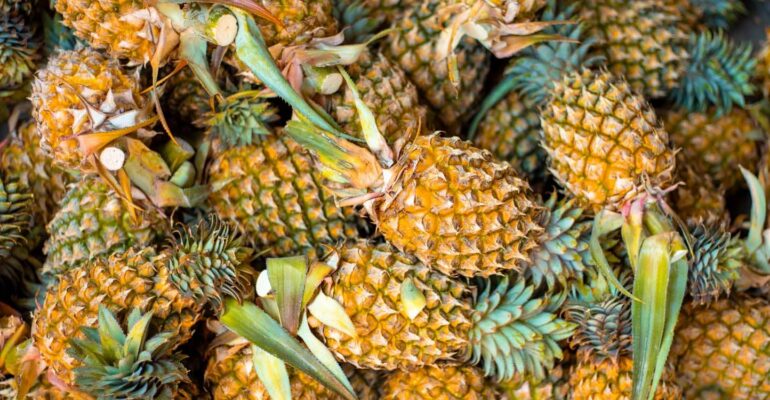
Indonesia is now recorded as the world’s largest pineapple producer, with production exceeding 3,2 million tons per year. This figure positions Indonesia as a global leader, far surpassing other tropical fruit-producing countries.
Global pineapple production is indeed dominated by countries in Asia, Latin America, and Africa that possess ideal tropical climates. However, Indonesia’s achievement highlights the vast potential of the national horticultural sector while opening opportunities to increase domestic consumption of nutritious foods.
Professor of the Faculty of Medicine and Nutrition at IPB University, Prof Ahmad Sulaeman, explained that pineapple is not merely a refreshing tropical fruit. “Pineapple has long been recognized for its many health benefits. Among them is its fiber content, which is beneficial for digestion.”
The fruit, scientifically known as Ananas comosus, is characterized by its bright yellow color and sweet, slightly tangy flavor. Beyond its taste, pineapple contains a range of essential nutrients. It provides carbohydrates, water-soluble vitamins especially vitamin C as well as B vitamins such as B1, B2, B3, and B6.
“Its vitamin C content is very high and contributes significantly to our daily vitamin requirements,” said Prof Ahmad. In addition, pineapple contains minerals such as potassium, magnesium, and other electrolytes that play important roles in metabolism and bone health.
Another distinctive feature of pineapple lies in its bromelain enzyme content. This enzyme is known for its anti inflammatory properties, which are beneficial for bone health and for alleviating joint-related complaints. Bromelain may help reduce inflammation, accelerate recovery after injury, and decrease muscle soreness after exercise.
“People with joint problems or gout may benefit from consuming pineapple because of its bromelain content. It also has antidiabetic potential. Pineapple contains antioxidants that are very beneficial,” he stated.
Besides bromelain, pineapple also contains various phytochemicals such as alkaloids and phenolic compounds which, although present in small amounts, provide meaningful health benefits.
Pineapple can be consumed fresh or processed into juice, fruit salad mixtures, culinary ingredients, or jam. With its abundant production and comprehensive nutritional content, pineapple has strong potential to become a leading fruit in supporting a healthy lifestyle among Indonesians. (IAAS/KAL)