Prone to Psychological Trauma, IPB University Psychiatrist Provides Trauma Healing Methods for Disaster Victims
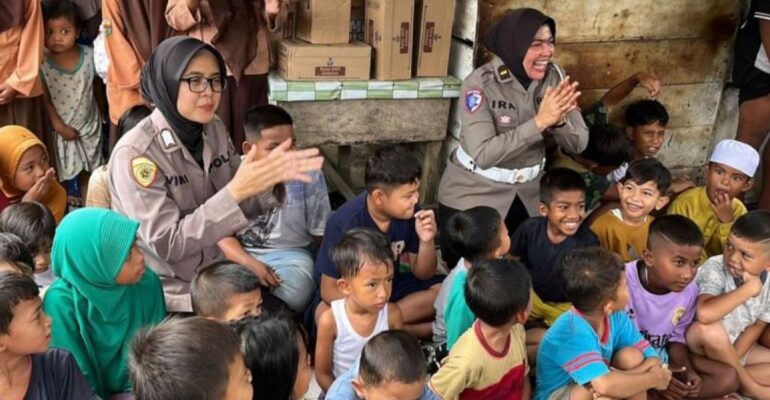
Floods and landslides still leave deep scars. Not only physical damage and material losses, but the psychological trauma of survivors must also receive immediate attention and treatment.
Psychiatrist dr Riati Sri Hartini, SpKJ, MSc, who is also a lecturer at the Faculty of Medicine (FK) IPB University, explained that based on various studies, acute stress reactions and anxiety are the most common conditions experienced by flood victims. These reactions emerge as a direct response to the traumatic events experienced by survivors.
Additionally, floods also carry the risk of triggering depressive disorders, particularly due to the various losses experienced by victims, such as property or family members.
This condition, dr Riati continued, can worsen if victims do not receive adequate social support and are exposed to the effects of the disaster for a long time.
“The factors of loss and lack of social support can increase the risk of more severe mental disorders, even affecting overall physical and mental health,” she explained.
Trauma Symptoms to Watch Out For
According to dr Riati, the manifestations of post-disaster trauma can vary. In children, trauma is often shown through behavioral changes, such as excessive crying, fear, bedwetting, becoming aggressive or very quiet, sleep disturbances, and loss of appetite.
Meanwhile, in adults, trauma can manifest in the form of nightmares, flashbacks of the disaster, excessive anxiety, panic attacks, difficulty sleeping, and physical complaints without clear medical causes.
“Trauma disorders cannot be diagnosed based on a single symptom. It is necessary to look at the collection of symptoms that appear,” she said.
Trauma Healing in Refugee Camp
dr Riati said that in refugee camps, where resources are limited, mental health care can still be provided through Psychological First Aid (PFA), such as providing a sense of security, calmness, and emotional support. Brief counseling, either individually or in groups, can also help release negative emotions.
“For children, playing and drawing are highly recommended. Meanwhile, for adults, simple relaxation techniques such as breathing exercises, prayer, and spiritual approaches can help calm the mind,” she explained.
In addition, further medical treatment is necessary if mental disorders interfere with daily functioning and persist for two to four weeks. If left untreated, this condition risks developing into Post Traumatic Stress Disorder (PTSD) or prolonged depression.
“You are not alone. In addition to physical health, mental health is also very important to pay attention to. By being willing to talk and share, the burden will feel lighter,” she said. (AS) (IAAS/LAN)