Wild Bird Enters Hospital Ward, IPB University Doctor Warns of Disease Transmission Risks
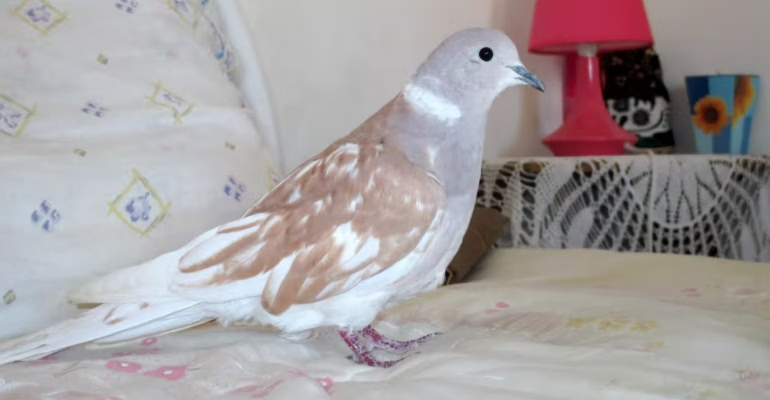
A viral video showing a pigeon roaming freely inside a hospital room has drawn public attention to the importance of hygiene and infection control in healthcare facilities.
According to dr Aisyah Amanda Hanif, MSc, a lecturer at the Faculty of Medicine and Nutrition (FKGiz) at IPB University, the presence of wild birds in patient rooms should not be taken lightly because it can increase the risk of disease transmission, especially for patients with compromised health.
“The entry of wild birds into the hospital indicates that hygiene and infection prevention standards in healthcare facilities are not yet being fully met. Wild animals have the potential to carry microorganisms that can endanger both patients and healthcare workers,” she said.
She explained that pigeons are known to carry various disease causing microorganisms. Their droppings may contain fungal spores such as Cryptococcus sp. and Histoplasma sp., as well as bacteria such as the Mycobacterium avium complex and Staphylococcus aureus. These microorganisms have the potential to cause infections in humans, particularly in individuals with weakened immune systems.
In addition, fleas living on pigeons can bite humans, causing itching and skin irritation.
Not only do they pose a risk of transmitting disease, but the presence of birds in patient care areas can also degrade the quality of the hospital environment. Bird feathers, dust, and droppings can contaminate the air, trigger allergic reactions in sensitive patients, dirty the rooms, and reduce comfort during the treatment process.
According to dr Aisyah, when a wild bird is found inside a patient room, the hospital must immediately take safe measures to address the situation. The bird should be captured or guided outside without harming it, and all entry points must be sealed to prevent similar incidents from recurring.
“Room cleaning must also be carried out carefully. Staff should wear N95 masks and avoid immediately sweeping up bird droppings, as this can cause particles containing microorganisms to become airborne and be inhaled,” she explained.
She also recommended that hospitals monitor the health of both patients and healthcare workers who were exposed, as well as post signs urging visitors not to feed birds on hospital grounds. These measures are considered essential to prevent birds from returning and to keep the hospital environment safe, clean, and conducive to patient safety. (Lp) (IAAS/HNF)