IKA IPB University Students Hold Educational Session on Smart Budget Management and Preventing Household Cash Leaks
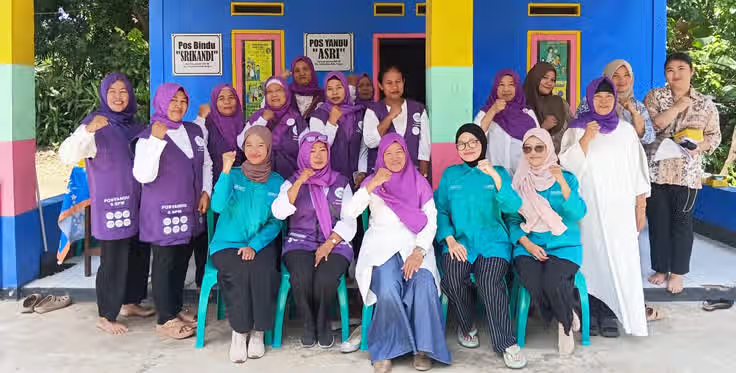
In an effort to improve community financial literacy and economic resilience, a team of students from the Master’s Program in Family and Child Development (IKA) at IPB University organized an educational and training session on household financial management.
Targeting Posyandu cadres at the Pomad Bogor Dormitory, the program titled CAKAP (Smart Cash Management, Balanced Budget) was initiated by Atina Aulia Hasanah, ‘Aadilah Nur Ramdhaniah, and Azzahra Putrione Adiva under the guidance of Dr Irni Rahmayani Johan.
Team representative, Azzahra stated that the activity focused on practical strategies for identifying income, mapping expenses, and prioritizing basic family needs to minimize the risk of financial leakage within the family.
In their presentation, the student team emphasized the importance of a deep understanding of the nature of family income whether fixed, such as a monthly salary, or variable, such as daily business earnings. Adjusting consumption patterns to match actual income is the first key to keeping the household budget stable and balanced.
In addition to identifying cash inflows, participants were encouraged to distinguish between routine and non-routine expenses, as well as small, often-overlooked expenses. Small, recurring expenses, such as daily snacks, cigarettes, and administrative fees for digital transactions can, without us realizing it, add up to a significant cash drain. When accumulated, these amounts could actually be allocated toward monthly bills or building an emergency fund.
Azzahra said that the inability to distinguish between needs and wants is often the main trigger for financial problems and the trap of consumer debt.
“Basic needs such as food, healthcare, and education must be top priorities that cannot be postponed. Meanwhile, wants related to entertainment or keeping up appearances must be kept in check so that families aren’t forced to go into debt when facing emergencies,” she said.
As a concrete step, the team equipped participants with three basic steps of financial management: identifying income, regularly tracking expenses, and conducting periodic reviews. Participants were also introduced to a simple 50:30:20 budget allocation method and the habit of saving money before spending it.
This practical and relevant material received a warm response from the participants. Their enthusiasm even continued after the training session ended. “It was really helpful after I listened to it that’s exactly how it should be. It really made me realize things right away, and thank you so much for the knowledge,” said … one of the participants in a WhatsApp message sent to the student team after the event.
“Through this educational program, we hope the community can build solid financial independence for their households. Wise financial management, having an emergency fund equivalent to 3 to 6 times monthly expenses, and exercising caution when making decisions about debt are expected to lead to a more peaceful and prosperous family life,” said Azzahra. (*/Rz) (IAAS/LAN)