When Can Snapper Be Dangerous to Eat? Here’s an Explanation from an IPB University Expert
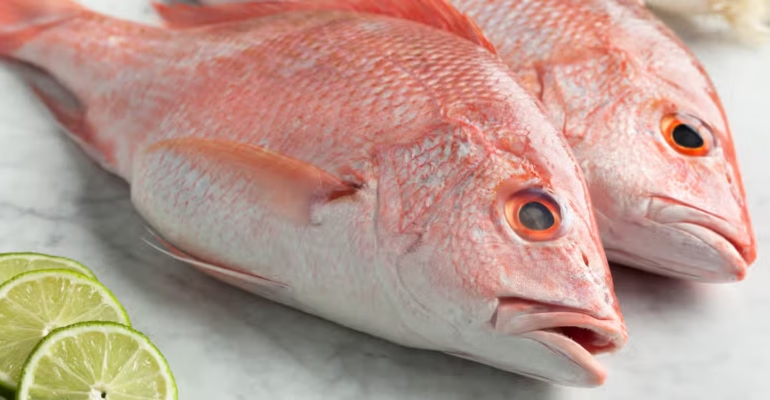
For snapper lovers, the news that this fish may contain toxins is certainly cause for concern. However, Prof Joko Santoso, a lecturer in the Department of Aquatic Product Technology at IPB University, emphasizes that the public does not need to immediately avoid snapper, as the health risks do not apply to all types and conditions of the fish.
“Snapper is generally safe to eat. Risks arise under certain conditions, particularly those related to the type and size of the fish, its habitat, where it was caught, and how it was handled,” said Prof Joko.
Beware of Ciguatoxins
Prof Joko explained that one risk to watch out for is ciguatera, which is poisoning caused by ciguatoxins. These toxins do not disappear even after cooking.
Ciguatoxins originate from the marine food chain, including microalgae or small marine algae such as Gambierdiscus, which produce the toxin. The toxin can then accumulate in fish that consume contaminated marine organisms.
However, this risk is not the same for all snapper species. Some types of snapper, particularly large, predatory reef snapper, may contain this toxin.
“Species, habitat, size, age, and catch location are key factors. Snapper living in coral reef ecosystems that are larger and older tend to be at higher risk of accumulating ciguatoxin.
“Additionally, ciguatera is primarily a concern in certain tropical and subtropical regions. Therefore, not all bodies of water carry the same level of risk,” he said.
Not Visible to the Naked Eye
Interestingly, Prof Joko continued, fish containing ciguatoxin do not necessarily appear sick, nor do the waters they come from have to look dirty. Fish containing the toxin also generally show no specific changes in taste, smell, or appearance.
“In addition to ciguatoxin, fish from polluted waters may contain mercury or other pollutants. The risk is usually a greater concern for large, long lived predatory fish,” said Prof Joko.
7 Tips for Safely Choosing Snapper
Prof Joko offered seven tips to help the public choose snapper more safely. Here are the seven tips:
-
Choose fish from reliable sources such as fishermen, markets, or vendors who know the origin of the catch.
-
Ask where the fish were caught. Avoid snapper from areas known to have ciguatera cases or that have received official warnings.
-
Be extra cautious with very large snapper, especially predatory snapper from coral reef ecosystems.
-
Choose smaller fish if available, as larger, older fish can accumulate more toxins.
-
Do not rely on the fish’s freshness to detect ciguatoxins. Fish that appear fresh may still contain toxins.
-
To reduce the risk of bacterial poisoning, choose fish with clear eyes, gills that are not slimy or have a strong odor, firm flesh, and that have been stored under refrigerated conditions.
-
Cook the fish thoroughly to reduce the risk of microorganisms. However, cooking does not destroy ciguatoxins.
“Most importantly, if an area has an official ciguatera warning, you should avoid consuming predatory reef fish from that area even if the fish appear healthy,” concluded Prof Joko.
Therefore, the public does not need to avoid snapper in general. Knowing the fish’s origin, paying attention to its species and size, and ensuring proper handling and storage are important steps, especially for predatory reef fish from regions known to have a risk of ciguatera. (dh) (IAAS/WSG)