H5 Bird Flu Emerges in Australia, IPB University Expert Urges Indonesia to Strengthen Biosecurity
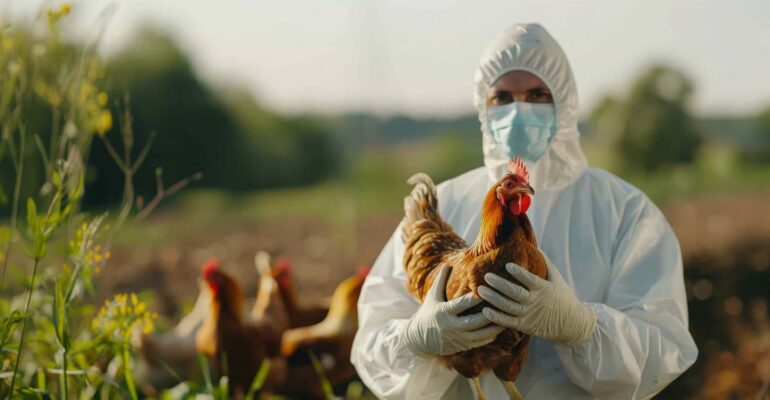
The first case of the highly pathogenic H5 avian influenza variant in wild birds has been detected in Esperance, Western Australia. The emergence of the virus has raised concerns due to its potential impact on Australia’s poultry industry while also serving as a reminder for countries across the region, including Indonesia, to strengthen surveillance and biosecurity measures.
IPB University Ecological Genetics expert, Prof Ronny Rachman Noor, explained that Australia’s concerns are well founded, given the significant role the poultry industry plays in the country’s economy and food security.
“Australia produces 1,3 million tons of chicken meat and 6 billion eggs annually, generating approximately AUD 7 billion in revenue and supporting thousands of farmers. Chicken is the primary source of protein in Australia, with consumption reaching 45 kilograms per person each year,” said Prof Ronny.
Prior to the detection of H5 in wild birds in 2026, Australia had previously experienced outbreaks of other avian influenza strains, such as H7, in commercial poultry farms. The government responded swiftly by culling millions of chickens to prevent further spread, although the measure resulted in economic losses and disruptions to egg supplies.
“Bird flu outbreaks affect Australia’s exports, even though the country is not among the world’s largest poultry exporters. Maintaining a disease free status is crucial for preserving international confidence. Outbreaks often lead trading partners to impose export restrictions, requiring both government and industry to invest heavily in surveillance, quarantine systems, and outbreak simulation exercises,” he explained.
According to Prof Ronny, the H5 strain is of particular concern because of its exceptionally high mortality rate in poultry. The virus can kill 90 to 100 percent of infected birds within days, while also disrupting egg production, broiler operations, and increasing disease management costs.
“Vaccines against H5 are available, but their use remains limited because it is difficult to distinguish infected birds from vaccinated ones. Mass vaccination programs are also costly, and there is a risk that the virus may mutate and evade vaccine protection. Therefore, the primary strategy remains strict biosecurity measures and the culling of infected poultry,” said Prof Ronny.
In addition to its impact on livestock production, avian influenza also poses risks to human health. Symptoms in humans may begin with fever, cough, sore throat, and conjunctivitis. In severe cases, infection can progress to pneumonia, respiratory failure, and sepsis. Approximately 50 percent of H5N1 cases have been fatal.
Indonesia Must Remain Alert
Prof Ronny emphasized that Indonesia should increase its alertness, as the country lies along migratory bird routes from Australia and has previously experienced H5N1 outbreaks that caused significant losses to the poultry sector.
“This caution is justified, considering that Indonesia is located along migratory bird pathways from Australia and has previously suffered H5N1 outbreaks that affected the poultry industry. This is an important concern,” Prof Ronny stated.
For him, the preventive measures should include strengthening surveillance of wild birds, improving farm biosecurity, educating farmers about avian influenza symptoms and rapid reporting mechanisms, and enhancing regional coordination to prevent the cross border spread of the virus.
“Indonesia must strengthen monitoring of wild birds along migratory routes and improve biosecurity standards in poultry farms, including maintaining sanitation, controlling poultry movement, and preparing emergency funds for compensation and culling should an outbreak occur,” concluded Prof Ronny. (* /Rz) (IAAS/CAA)