IPB University Ecological Genetics Expert: Illegal Wildlife Trade Triggers Risk of New Pandemics
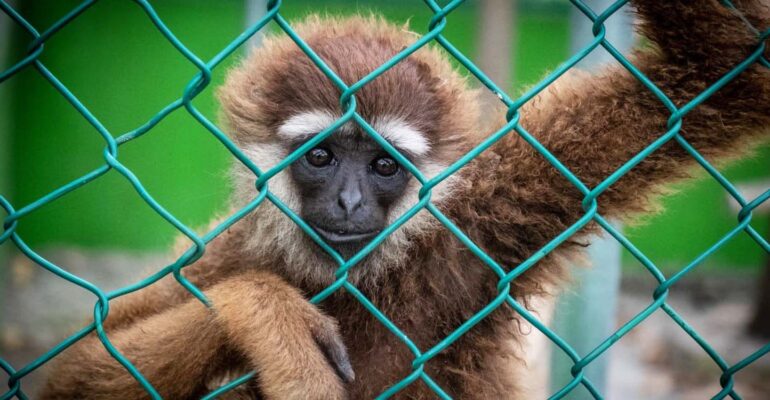
IPB University Ecological Genetics Expert, Prof Ronny Rachman Noor, stated that one of the negative impacts of the rampant illegal wildlife trade is the increased risk of zoonotic transmission (diseases transmitted from animals to humans). In fact, such activities can also trigger the emergence of new outbreaks.
Empirical data indicates that Indonesia remains entangled in the illegal wildlife trade network, which offers a lucrative market share. The country’s high biodiversity is, in fact, the primary draw for the global trade.
“Research from the University of Fribourg shows that mammals traded globally are 1,5 times more likely to serve as hosts for zoonotic diseases compared to those not traded. Pathogens frequently found include coronaviruses, influenza, rabies, and zoonotic parasites,” he said.
He explained that captured wild animals are typically under stress, which weakens their immune systems and triggers the release of viruses or bacteria. During transport, animals are often kept in small cages and mixed with other species, which increases the likelihood of pathogen transmission.
In addition, direct contact with the blood, flesh, or bodily fluids of wild animals during sale or consumption can also serve as a transmission route. Even when kept as pets, wild animals still have the potential to introduce pathogens into the home environment.
“The 2022 cases of illegal trade in king hornbills, ungko gibbons, and golden cats in West Sumatra highlight the potential for the spread of pathogens that can be transmitted to humans,” he explained.
Globally, outbreaks such as SARS, MERS, and COVID-19 are linked to human and wildlife interactions. Illegal trade via social media expands reach without health oversight while accelerating the cross-regional spread of pathogens through international distribution chains.
“From a public health perspective, this trade has the potential to trigger a new pandemic with enormous containment costs,” he emphasized.
Furthermore, from a conservation perspective, the drastic decline in wildlife populations due to illegal trade also increases the risk of zoonotic diseases. When natural habitats are destroyed, pathogens are transmitted from animals to humans.
The Importance of Biodiversity
Prof Ronny emphasized that there is a very strong link between biodiversity, human health, and conservation policies. Biodiversity is essential for maintaining the balance of ecosystems that support human health. Conservation policies, meanwhile, aim to protect ecosystems from degradation that can lead to disease and food crises.
“Biodiversity is at the core of human health. Genetic, species, and ecosystem diversity are the primary foundations for human survival. Illegal wildlife trade is not only a threat to conservation but also a global health threat,” he concluded. (*/Rz) (IAAS/EPK)