
Prof Ahmad Sulaeman: Dates and Tempeh: The Perfect Combination for Optimal Energy During Fasting
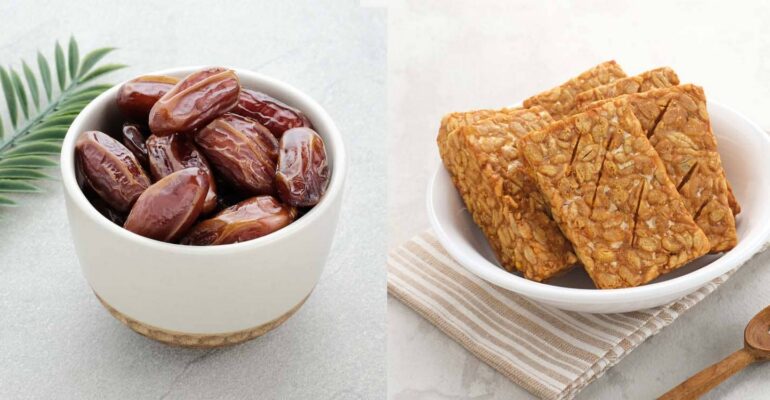
Fasting requires proper nutrition to keep the body fit and able to carry out activities throughout the day. Dates and soybeans, especially in the form of tempeh, are considered the right food choices to consume during suhoor and iftar because they are rich in nutrients and easy to digest.
Nutritionist from IPB University and expert in Nutrition and Food Safety, Prof Ahmad Sulaeman, stated that dates and soybeans can be a good and balanced source of energy during fasting, especially when consumed at suhoor and iftar.
Energy Source
“In 100 grams of dates, or about 13 pieces, depending on their size, there are about 299 calories. Meanwhile, soybeans, such as those in tempeh, not only serve as a source of energy, but also contain high quality vegetable protein, fats with essential fatty acids, vitamin B, fibre, and isoflavones that are beneficial to health,” he explained.
Prof Ahmad added that 100 grams of fresh tempeh contains approximately 200 calories. Thus, a combination of dates and tempeh in appropriate amounts can help meet daily energy needs during fasting. According to him, the combination of these two foods can provide energy and important nutrients needed by the body to remain active throughout the day.
The Professor of Community Nutrition at IPB University explained that every 100 grams of dates contains an average of 63,35 grams of sugar, 8 grams of fibre, 2,45 grams of protein, 0,39 grams of fat, 2 mg of sodium, 656 mg of potassium, and around 299 kilocalories.
“Dates contain almost half of their sugar content in the form of fructose, which is twice as sweet as glucose, so it can make you feel full,” he explained.
Meanwhile, tempeh has excellent protein quality and contains fats with essential fatty acids, such as linoleic and linolenic acids.
This soy product contains approximately 18–20 grams of protein, 8 grams of carbohydrates, 8,8–9 grams of fat, and 14 grams of fibre per 100 grams, as well as important minerals such as iron, magnesium, calcium, phosphorus, and potassium.
“Because dates have a higher calorie content than tempeh, while tempeh contains higher protein, ideally, the portion of tempeh should be larger and the portion of dates smaller,” said Prof Ahmad.
However, he emphasised that, in principle, there is no specific difference in the combination of dates and tempeh for consumption during suhoor or iftar.
Benefits for Diabetes Patients
Prof Ahmad explained that dates have good potential to support diabetes management. “Dates are reported to have good potential for diabetes treatment because they contain polyphenols with strong antioxidant activity. These compounds can also inhibit the enzymes alpha-amylase and alpha-glucosidase,” he explained.
He added that consuming two to three dates per day can still provide benefits for diabetics if consumed as part of a balanced diet. “In reasonable amounts, dates do not cause excessive spikes in blood sugar,” he said.
Meanwhile, tempeh is considered safe and beneficial for reducing the risk of type 2 diabetes because it is low in carbohydrates, high in protein, and has a low glycaemic index.
“Tempeh does not trigger blood sugar spikes and provides a longer feeling of fullness. Diabetics can consume it without any special restrictions, as long as they pay attention to their daily calorie intake,” he explained.
Processed foods for suhoor and iftar
To maximise the nutritional benefits of soybeans, Prof Ahmad recommends processing them into tempeh, tofu, or soy milk. He also encourages variations in date and tempeh dishes to make them more appealing and easier to consume.
“Dates and tempeh can be made into various delicious dishes, such as date-tempeh smoothies or tempeh-date sandwiches,” he concluded. (IAAS/LAN)

