
IPB University Food Technology Expert Responds to Claims that Matcha Can Make Skin Glow
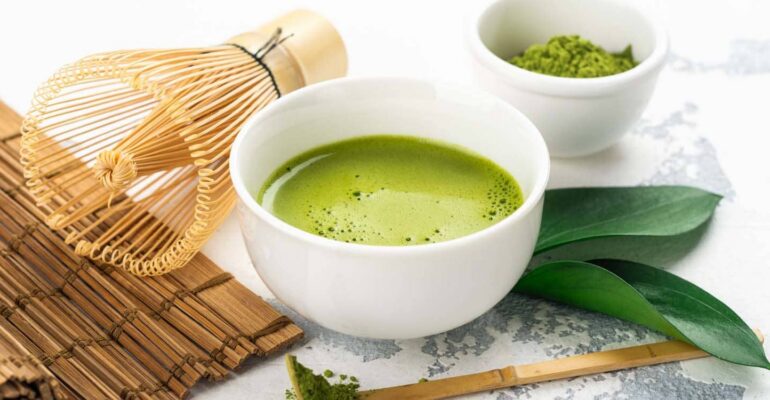
The trend of consuming matcha, which is claimed to “make you beautiful” and give you glowing skin, is becoming increasingly popular, mainly because it is associated with anti-aging effects, acne prevention, and increased skin moisture.
Scientifically, Professor Nuri Andarwulan from the Department of Food Science and Technology, Faculty of Engineering and Technology at IPB University, explains that matcha is indeed rich in catechins, particularly epigallocatechin gallate (EGCG), which has antioxidant properties. However, its benefits are not as straightforward as the claims on social media.
“Matcha is green tea powder produced through a special process. The tea leaves are shaded for about three to four weeks before harvesting to increase their chlorophyll content (shade-growing). After drying, the leaves are ground very finely into a powder,” Prof Nuri explained.
According to her, because it is consumed in whole powder form, matcha has more nutrients than brewed tea. “Matcha has a higher catechin content. EGCG in matcha can reach more than 120 mg per gram, which is higher than regular green tea,” she explained.
However, she emphasized that phenolic compounds such as EGCG have low bioavailability (absorption) in humans. “If absorbed, it is very small, less than five percent. Most of it enters the large intestine and is metabolized by microbiota into derivative compounds (metabolites),” explained Prof Nuri.
These metabolites, said Prof Nuri, can then be absorbed into the bloodstream and have biological effects, such as antioxidants, anti-inflammatories, and immunomodulators, including on skin cells.
One of these biological effects is thanks to the polyphenol compounds contained in matcha. Free radicals caused by exposure to UV rays, pollution, and an unbalanced lifestyle can damage collagen and elastin in the middle layer of the skin (dermis). This damage triggers premature aging and wrinkles.
“Polyphenol compounds help ward off free radicals, thereby reducing inflammation and maintaining collagen integrity,” she said.
The Most Effective Method
Regarding the effectiveness of oral or topical consumption, Prof Nuri said that both complement each other. “The ideal combination is internal intake for systemic protection and topical application for local protection on the skin’s surface,” she said.
She added that skin improvement through dietary intake is gradual and long-term because it works from within the cells, especially in the dermis and epidermis layers. Meanwhile, topical products work faster on the skin’s surface, but their effects are temporary and require regular use to maintain the skin’s protective function.
Despite these benefits, Prof Nuri reminded us of consumption limits. Matcha contains a fairly high amount of insoluble fiber because it is consumed as whole leaf powder. “If consumed in excess and without enough fluids, it can cause digestive problems such as constipation. In extreme cases, for certain individuals, it can trigger issues in the digestive tract,” she explained. Therefore, consumption should remain moderate and not be swayed by exaggerated claims.
“Matcha can be part of a balanced diet, but it’s not an instant solution for glowing skin,” she concluded. (Fj)

