IPB University Professor Explains Five Strategies for Farmers to Deal with Feed Price Fluctuations
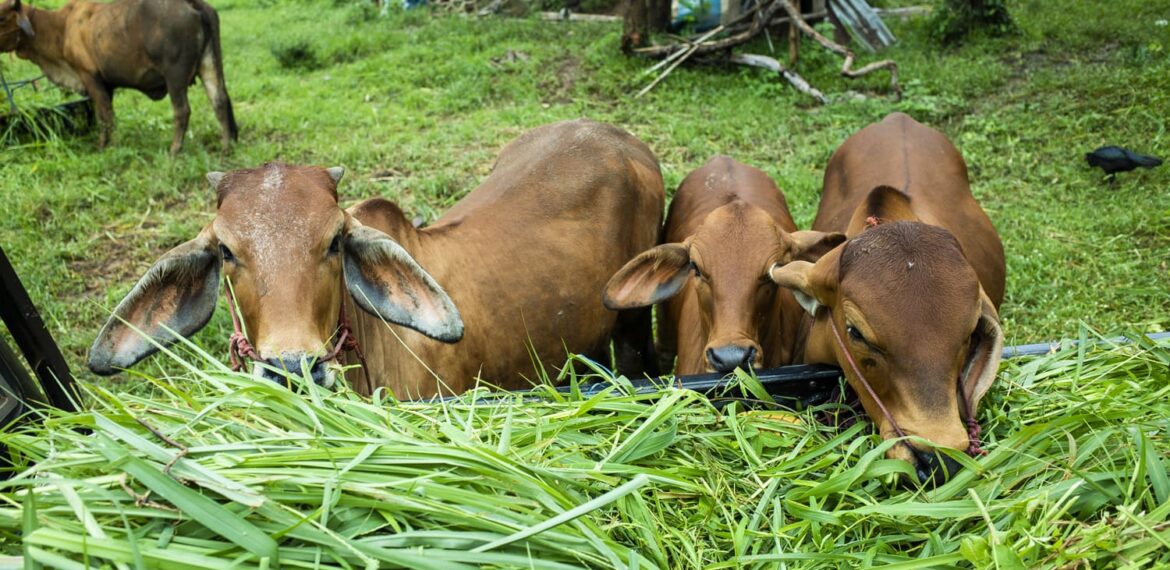
Prof Muhammad Ridla from the Faculty of Animal Science at IPB University explained five key strategies that farmers can implement to reduce the impact of feed ingredient price fluctuations.
These strategies are considered important given that feed is the largest cost component in livestock farming.
The first strategy is to diversify feed sources. Farmers can utilize local raw materials and agro-industrial waste to reduce dependence on imported materials such as soybean meal (SBM).
The second strategy is to utilize feed biotechnology such as fermentation, enzymes, probiotics, and microbial cultures. “This technology can improve digestibility, increase the nutritional value of cheap feed ingredients, and reduce feed waste,” he explained.
Third, he encourages farmers to apply flexible feed formulation (least-cost formulation). Prof Ridla recommends the use of simple formulation software so that farmers can replace feed ingredients with nutritionally equivalent alternatives when prices rise. This way, the balance of energy, protein, and amino acids is maintained.
The fourth strategy, he continued, is independent feed production on a group scale through the establishment of “feed centers” or joint milling units at the village or cooperative level. This step is considered to reduce feed costs by 10-25 percent through the purchase of raw materials in large quantities and the sharing of price fluctuation risks.
Meanwhile, the fifth strategy emphasizes the importance of efficient feed management. These efforts include reducing feed waste, mixing feed homogeneously, and adjusting feed distribution according to the growth phase of the livestock. “This strategy can maintain feed consumption efficiency even when raw material prices increase,” he said. (dh) (IAAS/LAN)