
IPB University Faculty of Medicine Lecturer Explains Health Risks of Sinkhole Water in West Sumatra
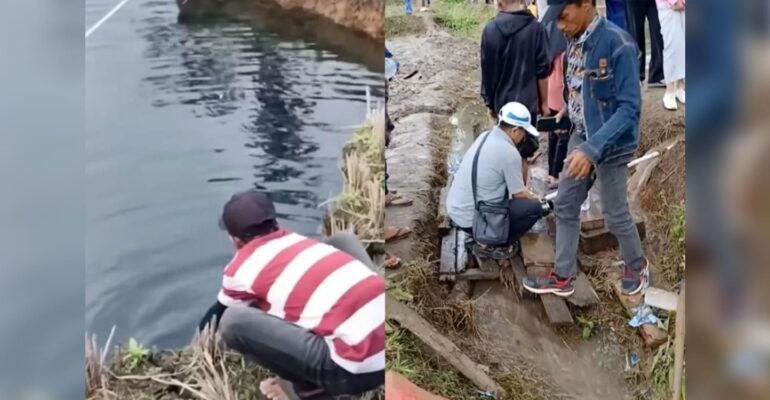
The discovery of Escherichia coli (E coli) bacteria in sinkhole water in West Sumatra has raised serious concerns regarding public health. Although some types of E coli are normal bacteria living in the human digestive tract, their presence in consumption water indicates serious contamination and has the potential to cause disease.
A lecturer from the Faculty of Medicine at IPB University, dr Aisyah Amanda Hanif, MSc, explained that not all E coli are dangerous. However, certain specific types are pathogenic and can cause health disorders if they enter the body through contaminated drinking water or food.
“E coli is generally a normal bacterium in the digestive tract, but certain types can cause digestive disorders if consumed,” explained the doctor of Biomedical Microbiology Sciences.
She revealed that the primary health risk resulting from the consumption of water contaminated with E coli is gastrointestinal infection, characterized by symptoms such as diarrhea, vomiting, and potentially leading to dehydration. This condition becomes very dangerous, especially for children and the elderly.
“If contaminated sinkhole water is used, the community is at risk of experiencing digestive infection diseases with a risk of dangerous dehydration, particularly in vulnerable groups,” she stated.
According to dr Aisyah, the contamination of the sinkhole water is very likely caused by human or animal activities. Human or animal feces absorbed into the soil can contaminate groundwater as well as surface water, including the water filling the sinkhole.
In addition to directly impacting individuals, digestive infection diseases caused by these bacteria are also contagious. Transmission can occur if the hygiene of hands, water, and food is not well maintained.
“These digestive infection diseases can be transmitted from one person to another if sanitation and hygiene are not properly addressed,” she added.
Regarding preventive measures, dr Aisyah explained that boiling water is one method of sterilization that can kill bacteria. Nevertheless, based on reports from the local health laboratory, the amount of E coli bacteria found in the sinkhole water exceeds the safe threshold for consumption.
“Given these conditions, the community should avoid using water from the sinkhole, even if it has been boiled,” she emphasized.
She appreciated the steps taken by the government, which has conducted water sample testing and announced the results to the public. Moving forward, according to her, public education is a key element in preventing health impacts.
“Education regarding safe water sources, symptoms of diseases that may arise, danger signs, as well as first aid must continue to be carried out. Furthermore, the provision of adequate resources in health facilities around the location is also important to prevent limitations in health personnel, medical equipment, and medicines,” she concluded. (dh) (IAAS/HNF)

