IPB University Expert: Groundwater Use on Java Has Reached a Level of Massive Exploitation
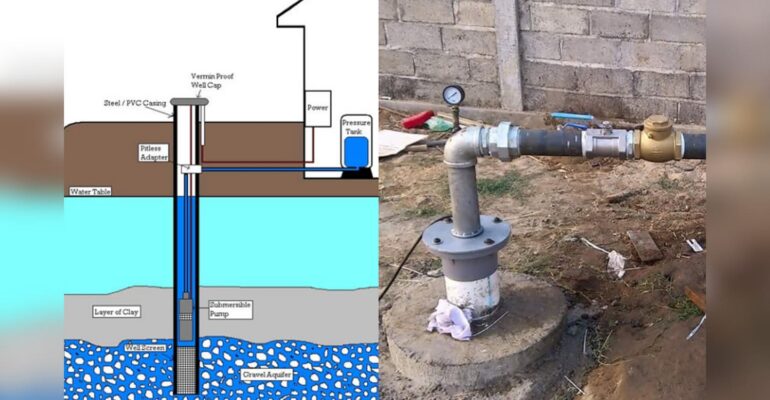
The trend of land subsidence on the island of Java has become increasingly alarming. The massive use of groundwater through deep wells, driven by rapid population growth and intense economic activities, has placed severe pressure on aquifers across the region.
An expert in Irrigation and Drainage Engineering at IPB University, Prof Satyanto Krido Saptomo, stated that this condition not only threatens the availability of clean water but also increases the risk of infrastructure damage and environmental disasters, particularly in urban and industrial areas.
According to him, groundwater utilization on Java has exceeded sustainability limits. “Groundwater use on Java has reached a level of massive exploitation. This is no longer merely utilization, but has entered the category of water mining,” he emphasized.
From a land resource perspective, Prof Satyanto highlighted the sharp imbalance between water demand for industrial and domestic sectors and the natural capacity of the environment to recharge groundwater reserves.
Pressure on aquifers is further intensified by large-scale urbanization. Land surfaces covered by concrete and asphalt significantly reduce rainwater infiltration, which should serve as the primary source of groundwater recharge. As a result, groundwater continues to be extracted without sufficient opportunity for recovery.
“Water demand continues to rise, while the natural recharge rate of aquifers is weakening. This imbalance drives extreme declines in groundwater levels as well as systematic degradation of water quality,” explained the water resources engineering expert.
Scientifically, land subsidence occurs when excessive groundwater extraction drastically reduces pore water pressure within the soil. Consequently, the soil bears greater load, becomes more compact, and causes the ground surface to sink. This process can result in permanent damage to soil structures and the buildings above them.
“This condition causes soil layers to undergo consolidation and permanent shrinkage. The land subsides and cannot return to its original state,” he explained.
Prof Satyanto noted that the soil layers most vulnerable to subsidence are soft clay and thick organic soils, which are commonly found in the northern coastal areas of Java. These soil types have high compressibility and are prone to collapse when groundwater is forcibly extracted.
If left unaddressed, Prof Satyanto warned that the condition could lead to permanent degradation of land carrying capacity, including damage to building foundations, seawater intrusion, and soil salinization.
He emphasized the importance of cross sectoral collaboration, including stricter groundwater licensing, development of surface water infrastructure, and the implementation of rainwater harvesting, biopore systems, and reductions in land paving that limit water infiltration.
“These measures are essential if we are to halt the pace of this damage,” he concluded. (AS) (IAAS/AHA)