IPB University Ecotoxicology Expert: Microplastics Reduce the Effectiveness of the Ocean in Absorbing Carbon
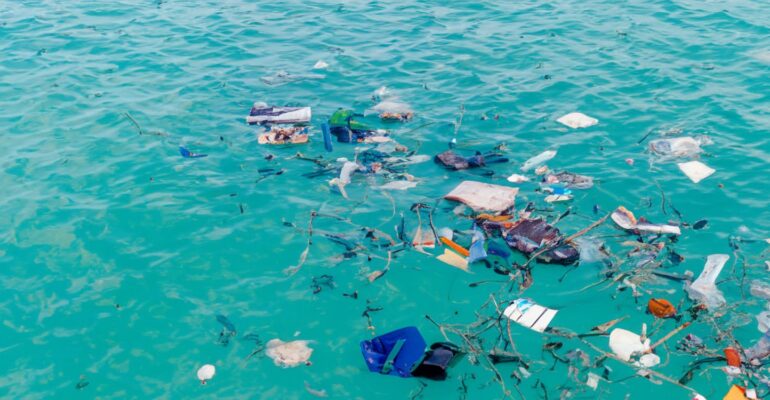
IPB University Pollution and Ecotoxicology Expert, Prof Etty Riani, revealed that microplastics are one of the factors that can reduce the effectiveness of the ocean in absorbing and storing carbon, although they are not the sole cause. She conveyed this in a written interview at the IPB Campus in Bogor (1/15).
Prof Etty emphasised that to date, there has been no scientific study that directly states that microplastics are the main cause of the decline in the ocean’s ability to absorb carbon. However, a number of research results show that microplastics contribute to reducing this effectiveness by disrupting key organisms and biogeochemical processes in the ocean.
“Microplastics can disrupt phytoplankton, marine organisms that play an important role in absorbing carbon through photosynthesis. Microplastics (especially nanoplastics) that attach to the surface of phytoplankton can block sunlight, thereby inhibiting the photosynthesis process and reducing the ability of phytoplankton to absorb carbon,” she explained.
In addition, microplastics also affect the marine food chain. Zooplankton, which should eat phytoplankton, often consume microplastics because of their similar shape. This condition causes zooplankton to lack nutrients and energy, potentially leading to a decline in their population.
In fact, Prof Etty continued, zooplankton plays an important role in carrying carbon to the seabed through its faeces and carcasses, known as marine snow.
“The presence of microplastics makes carbon aggregates lighter, so the process of sinking to the seabed takes longer. As a result, carbon remains on the surface or in the water column for longer and has the opportunity to be released back into the atmosphere,” she continued.
She also mentioned that microplastics can act as an intermediate host for hazardous and toxic substances (B3), such as heavy metals. These substances can disrupt the physiological processes of marine organisms, including reproduction, damage organs, and reduce marine biota populations, among other problems. “This condition ultimately weakens the marine ecosystem’s ability to store carbon in the long term,” she explained.
To reduce microplastics, Prof Etty encourages reducing the use of plastics, especially single-use plastics and primary microplastics such as microbeads in care and cosmetic products. She also emphasises the importance of continuous education for people from all walks of life, from early childhood to university.
In addition, she believes that a paradigm shift is needed, whereby waste is not simply viewed as useless “rubbish” but rather as having economic value. Education for the public, government, and industry on better waste management and the implementation of a circular economy is considered important, including the use of technology to minimise microplastics and nanoplastics that have already polluted the environment.
According to Prof Etty, researchers are currently conducting research to develop environmentally friendly materials, including natural based bioplastics. However, she emphasised that the most effective solution must be implemented holistically and integrated from upstream to downstream, starting from plastic source prevention, proper waste management, continuous education, to strengthening the 3R (reduce, reuse, recycle) system based on a circular economy.
She also stressed the need to increase microplastic monitoring and reduce plastic waste in all Indonesian waters through inter-agency cooperation, including with the Ministry of Maritime Affairs and Fisheries (KKP).
“Microplastic reduction must be achieved through a combination of effective policies, innovative and implementable technologies, behavioural changes among the public, and global collaboration. The most important thing now is the coordinated and consistent implementation of existing policies to minimise microplastic contributions to the ocean,” she stated. (dh) (IAAS/LAN)