Healthy Eating Doesn’t Have to Be Expensive: Tips from IPB University Nutrition Experts for Students
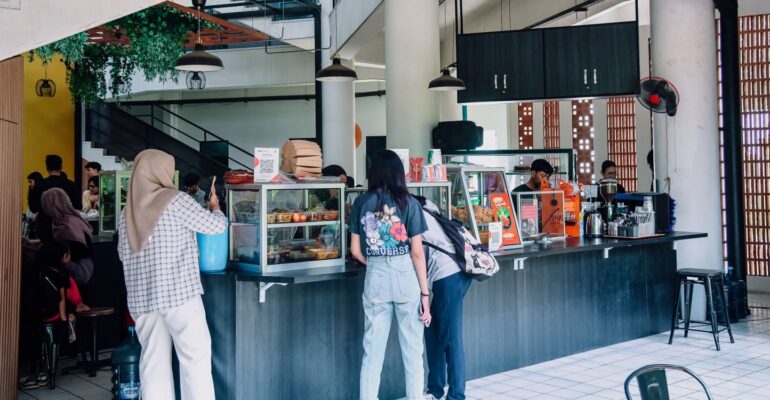
Healthy eating does not always have to be expensive. For many students, limited pocket money and busy schedules often force them to choose to eat whatever is available.
According to Prof Hardinsyah, Professor at the Department of Nutrition Science at IPB University, students can still meet their nutritional needs even with a limited budget. The key lies in simple planning and making the right menu choices. A balanced diet has been proven to play a crucial role in maintaining concentration, stamina, and productivity amid a hectic academic schedule.
“Tasty is relative. It can be expensive or affordable, depending on the student’s circumstances. The important thing is that it remains nutritious,” he said in the IPB Podcast aired on the IPB TV YouTube channel.
According to Prof Hardinsyah, students need to be careful in planning their daily menus. He emphasized the importance of consuming staple foods, protein-rich side dishes, and vegetables or fruits. “Breakfast should account for about one-fifth of daily needs. Lunch can be up to 40 percent,” he said.
He highlighted the habit of students relying on convenient foods like bread or instant noodles. This pattern, according to him, needs to be improved by adding protein and vegetables.
“If you eat noodles, add an egg, half a sliced cucumber, or a tomato. Don’t just add one slice, that’s just an accessory,” he said.
Students, continued Prof Hardinsyah, need all nutrients, especially protein to maintain muscle mass and physical fitness. Protein sources do not have to be expensive and can be obtained from eggs, tempeh, tofu, fish, or chicken. “Protein is important, not only for those who go to the gym, but for everyone who is active,” he said.
He also highlighted the habit of students who often ignore vegetables because of time and cost considerations. “The problem is, we often hunt for carbohydrates and ignore vegetables. Yet vegetables and fruits are sources of antioxidants,” he said.
Regarding the prevalence of junk food consumption around campus, Prof Hardinsyah advised students to be more mindful in combining foods. “If you have to eat fried chicken, that’s okay, but balance it with real fruit juice, not flavored juice, and keep the sugar to a minimum,” he said.
He also reminded students to choose clean eating places that serve warm food. “There are many options around campus. Warteg (traditional food stalls) are now also getting cleaner. You can eat for Rp10.000,” he said.
In addition, using tumblers to carry drinks and cooking together in boarding houses is considered to save money. According to him, cooking together also trains commitment, cooperation, and responsibility. “Cooking together has extraordinary leadership value,” he said.
Prof Hardinsyah emphasized that the key to students’ eating habits is balance. “It’s okay to eat junk food occasionally, but it must be balanced with vegetables and fruits,” he said. (Fj)(IAAS/KDP)