
Chairman of the IPB University Tropical Biopharmaceutical Study Center: DART ToF MS Technology Strengthens Forestry Law Enforcement
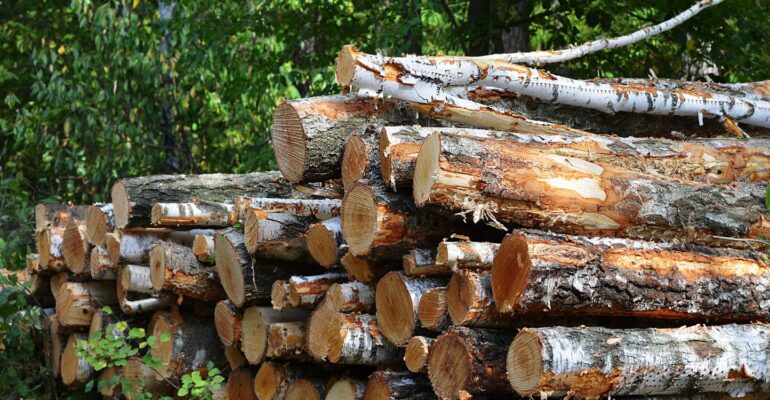
Efforts to prevent illegal logging and illegal timber trade require reliable scientific technology support. One such method is through the identification of wood species and origins based on chemical compounds using Direct Analysis in Real Time–Time of Flight Mass Spectrometry (DART TOF MS) technology.
Chairman of the Center for Tropical Biopharmaceutical Studies at IPB University, Prof Mohamad Rafi, believes that DART TOF MS can strengthen the verification of timber quickly and accurately.
Illegal timber trade has had a widespread impact, ranging from biodiversity loss and climate change to reduced state revenue. Environmental damage caused by these practices can also trigger disasters such as flooding and other ecosystem disturbances.
“Therefore, we face a major challenge in enforcing laws to protect biodiversity. One way to do this is by ensuring that timber that is harvested and traded is truly legal, has legal force, and can be verified down to the species and geographical origin levels,” said Prof Rafi.
Until now, timber identification has generally been supported by established anatomical and genetic analysis. Meanwhile, chemical-based analysis is still in the development stage in Indonesia, although it is widely used abroad, especially for customs inspection and law enforcement purposes.
Prof Rafi said that in the context of surveillance, methods that are fast, reliable, and highly accurate are needed. “Counterfeiting does not only occur in timber, but also in various other commodities. In timber, the risk is directly related to species protection status and international regulations,” he said.
One approach used is wood chemistry, which is the identification based on chemical compounds that are unique to each type of wood.
Prof Rafi explained that DART TOF MS is very reliable for identifying wood species, especially hardwoods, because it analyzes secondary metabolites without requiring sample preparation.
“Just a small piece of wood is needed, then its mass spectrum is compared with the database,” he explained.
However, he emphasized the development of a mass spectrum database, especially for Indonesian woods, which is currently still limited.
In addition, this method has limitations on mixed wood products such as plywood or particle board due to the potential for adhesive contamination.
Prof Rafi emphasized that in the future, standardization of testing protocols is needed so that the analysis results have high validity and can be mutually supportive with other methods such as DNA and stable isotope analysis. (dr)

