
The Threat of Skin Diseases Looms Over Refugees, IPB University Doctor Delivers This Message
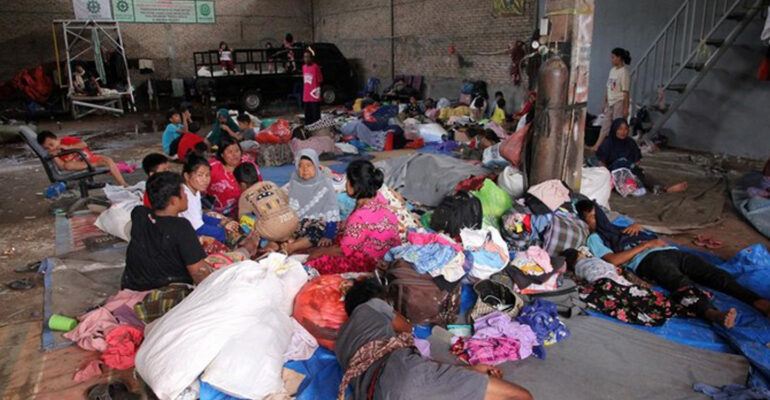
Floods and landslides that have hit a number of areas in Sumatra and Aceh have also impacted public health, especially among those living in refugee camps. One of the increased risks is skin disease. The damp, unhygienic, and crowded conditions make refugees susceptible to various skin infections.
dr Widya Khairunnisa Sarkowi, MSc, a lecturer at the Faculty of Medicine (FK) IPB University, explained that exposure to contaminated floodwater is the main trigger for the surge in skin health complaints after a disaster.
“Floodwater is usually mixed with mud, household waste, feces, and even carcasses. This combination is ideal for causing skin diseases, especially when residents are exposed for long periods of time,” she said.
According to dr Widya, findings from various countries that often experience flooding show a similar pattern: cases of skin diseases always increase during the emergency response phase. A similar pattern is also often seen in many flood locations in Indonesia.
“The most common are contact dermatitis, fungal infections, and bacterial infections. This is a common pattern after a disaster,” she explained.
She explained that contact dermatitis complaints are usually characterized by red, itchy, and sore skin due to exposure to floodwater or cleaning agents. Fungal infections such as ringworm on the body, groin, and between the toes are also commonly found. Meanwhile, bacterial infections such as impetigo, folliculitis, and cellulitis are common among residents with open wounds.
It is not uncommon for flood victims to also suffer traumatic wounds from being cut by debris or sharp objects during the evacuation process. These wounds are easily infected due to the damp and unhygienic environmental conditions.
This lecturer in biomedical pharmacology emphasized that a number of skin infection symptoms should not be ignored, especially when the infection begins to show serious signs.
“Extensive redness, swelling, warmth, or severe pain in the skin can indicate a deeper infection. If the wound appears to be getting worse, oozing pus, smelling, or accompanied by fever, residents should seek medical help immediately,” he said.
Most Vulnerable Groups
According to dr Widya, those with limited access to hygiene and health services are the most susceptible to skin diseases.
“Groups with low socioeconomic status, living in densely populated areas, and with limited access to clean water are most at risk,” she said.
This vulnerable group includes children, the elderly, pregnant women, people with chronic diseases such as diabetes, cancer, HIV, and kidney disorders, as well as residents with malnutrition. Their weaker physical condition makes them more susceptible to skin infections and complications, especially in limited refugee situations.
Preventive Measures
As a preventive measure, dr Widya urged the public to maintain personal hygiene even in emergency conditions. “Try to bathe with clean water and soap when you have the opportunity. Wear footwear, and avoid sharing personal items such as towels or clothing,” she advised.
She also emphasized the importance of keeping body folds dry so that fungi and bacteria do not easily grow. “Cases of tinea cruris and tinea pedis are very common after flooding due to uncontrolled humidity,” she explained.
The public is also asked to be careful when using cleaning agents that contain strong chemicals as they can cause skin irritation.
Before seeking medical treatment, residents can perform simple first aid. “The principle is to clean, dry, and protect. After being exposed to floodwater, immediately wash the itchy or rash-affected skin with clean water and soap, then dry it with a clean towel,” he concluded. (AS) ( IAAS/LAN)

