
Restoring the Identity and Competitiveness of Indonesian Orchids on the World Stage
Indonesia is known as home to thousands of orchid species. However, despite this wealth, its contribution to national welfare and competitiveness still lags behind.
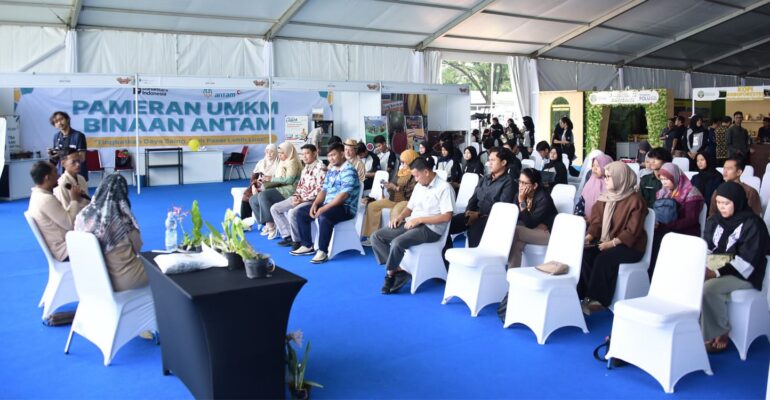
This issue was highlighted in the Orchid Workshop held as part of the IPB Alumni Homecoming Festival (PRA IPK), as a space for reflection and strategic discussion about the future of Indonesian orchids.
The workshop brought together academics, practitioners, and business people to discuss orchids not merely as ornamental plants, but as germplasm with high ecological and economic value that has not been optimally utilized.
“Indonesia has extraordinary orchid germplasm wealth, but it has not fully impacted the welfare of the community,” said Professor of Agronomy and Horticulture at IPB University, Prof Dewi Sukma.
Prof Dewi also highlighted the irony that countries with fewer orchid species are able to dominate the world market.
According to her, this condition is an important reflection of the need to strengthen institutions, cross-sector collaboration, and the role of universities and alumni in restoring orchids as the identity and strength of IPB University.
From a cultivation perspective, Fariz Fadil, a horticultural landscape practitioner and Director of Tropica Nurseries, emphasized that orchids are native to Indonesia and have the largest number of species in the world, even surpassing the Amazon region. However, Indonesia often remains a spectator in the global orchid business.
He cited technological backwardness, particularly in the development of tissue culture and large-scale production systems directly connected to the market, as the main cause.
According to Fariz, “Orchid cultivation is the only way to preserve them amid the threats of climate change, natural disasters, and human activities.”
Fariz also emphasized the importance of understanding the ecological characteristics of orchids, including the differences in the needs of lowland and highland orchids. Caring for orchids incorrectly, such as excessive chemical fertilization or inappropriate use of pesticides, has the potential to damage the plants and the ecosystem.
Meanwhile, Bagas Diki Pratama, an orchid entrepreneur and owner of Green House Nursery, sees orchids, especially dendrobiums, as a commodity with broad business opportunities.
“Dendrobiums are easier to care for, have a flexible sales cycle, and can be marketed to various segments, ranging from collections, event decorations, to souvenirs,” he said.
According to him, variations in shape, such as curly and round dendrobium, create added value, although they require different amounts of time and maintenance costs.
Through the integration of sustainable cultivation, mastery of technology, and the strengthening of digital-based market networks, Indonesian orchids have the potential to become a symbol of the revival of the bioeconomy. Campuses, alumni, and business actors play a strategic role in ensuring that Indonesia’s orchid wealth is not only preserved but also competitive on a global scale. (Ez) (IAAS/LAN)

