Rainwater in Jakarta Contains Microplastics, According to IPB University Professor
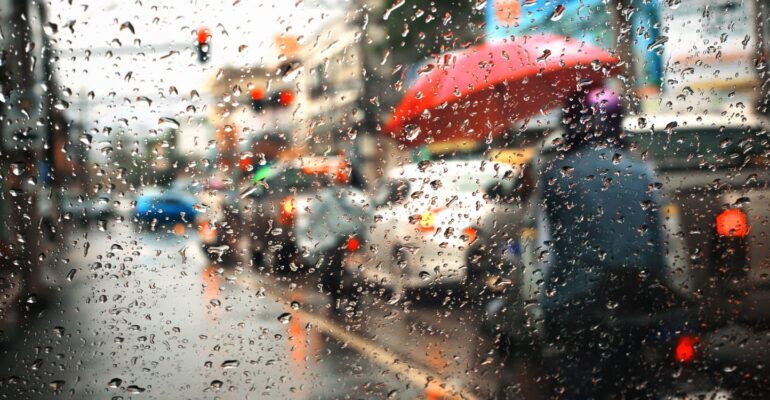
The discovery that rainwater in Jakarta contains microplastics (MP) has raised new concerns about urban environmental pollution. Professor Etty Riani, a professor at IPB University’s Department of Aquatic Resources Management, Faculty of Fisheries and Marine Sciences (FPIK), explained that this phenomenon is scientifically very possible.
According to Prof Etty, microplastics, especially those that are very small or nanoplastics, are very light in mass, making them easily carried into the atmosphere.
“These particles can come from various sources on land, such as friction from car tires, weathering of dry plastic waste carried by the wind, and synthetic clothing fibers,” she said.
When microplastic particles are in the air, they can be carried by wind currents and eventually fall back to earth with rainwater.
“Rain acts like an air cleaner. Microplastics floating in the atmosphere will merge with raindrops. Because they are so small, the particles are invisible, so it seems as if the rainwater is clean,” explained Prof Etty.
She added that the sources of microplastics in urban air, such as in Jakarta, are diverse, ranging from the degradation of various types of plastic waste, friction from vehicle tires, to synthetic clothing. Meanwhile, environmental factors such as high temperatures and dry air conditions accelerate the plastic degradation process and make it easier for these fine particles to fly into the atmosphere.
“The high use of plastic in everyday life is also at the root of the problem. From waking up to going back to sleep, humans cannot escape plastic. Eventually, plastic will break down into microplastics and nanoplastics,” she said.
Prof Etty believes that concrete steps need to be taken by the government and the community. She encourages efforts to change lifestyles towards more environmentally friendly patterns.
“We need to live more simply and return to nature. Reduce plastic use, avoid personal care products containing microplastics, and make it a habit to sort waste at home,” she said.
In addition, Prof Etty emphasized the importance of implementing the 3R principle (reduce, reuse, recycle) and imposing sanctions on those who do not support plastic reduction policies.
“Plastic is not just an environmental issue, but also a health issue. It contains harmful additives that can trigger hormonal disorders and increase the risk of cancer,” she concluded. (AS) (IAAS/LAN)