Radiation Case in Cikande, IPB University Lecturer Warns Two Groups Most Vulnerable to Exposure
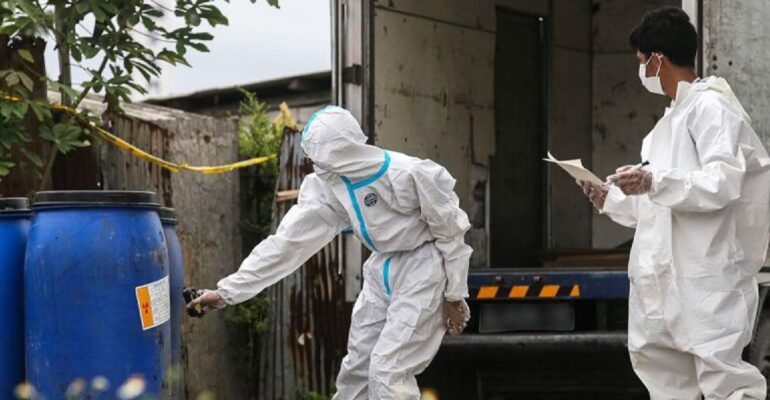
The alleged radiation exposure case in Cikande, Banten, is back in the public spotlight. The threat of radioactive substances not only has a direct impact on health, but also poses long-term risks that could affect future generations.
IPB University Faculty of Medicine lecturer, dr Laila Rose Foresta, SpRad (K) NKL, said that radiation has no smell, taste, or color. If the amount is very high, the body can immediately show signs such as burns on the affected skin area, or nausea, vomiting, or weakness just a few hours after exposure.
“These symptoms are called acute radiation syndrome (ARS). But if the amount is small and repeated, the body does not immediately signal danger. Radiation can quietly accumulate in organs, then damage cells little by little,” she explained.
She said that the effects of radiation exposure can vary from person to person. This effect is called the stochastic effect. “In the short term, high radiation exposure can cause gastrointestinal disorders and reduce white blood cells. However, in the long term, the risks are more serious: cancer, cataracts, and damage to the spinal cord, which can cause anemia, leukopenia, and leukemia,” she explained.
According to her, children and pregnant women are the most vulnerable groups to radiation exposure. “This is because the cells in a child’s body are still growing. Repeated radiation exposure can cause disturbances in the growth process, delayed brain development, and hormonal problems in children,” she explained.
In addition, radiation also poses a high risk to the reproductive system. Radiation, explained dr Laila, can reduce fertility due to damage to sperm or egg production. In pregnant women, especially during the first trimester, radiation exposure can increase the risk of miscarriage, premature birth, birth defects, and mental retardation in babies. “If radiation affects germ cells, DNA mutations can be passed on to the next generation. So the risk is not only for the patient, but also for their offspring,” she said.
To prevent further effects, the main step is early detection and treatment. dr Laila explained that if someone is exposed to high levels of radiation, the first action is external decontamination, which involves removing clothing and washing the body thoroughly with soap and running water. If the patient is already showing symptoms, supportive care is provided, such as administering fluids, anti-nausea medication, and even prophylactic antibiotics if white blood cell counts are low.
“For internal decontamination, we administer drugs that can bind radioactive substances in the body so that they can be excreted. For example, KI tablets to bind I-131 so that it does not accumulate in the thyroid, or Prussian blue and Zn-DTPA for certain types of substances,” she explained.
So what should be done if we are exposed to radiation? dr Laila explained that we should immediately shower and change clothes to clean off any remaining radiation, take medications recommended by a doctor such as iodine tablets, which can protect the thyroid, and seek medical examination and treatment as soon as possible.
dr Laila concluded with a reassuring statement: “The most important thing is prevention. Therefore, awareness of radiation and early intervention are crucial,” she concluded. (AS) (IAAS/ASY)