IPB University’s Research Integrity Risk Index Improves, the Only One in Indonesia with Green (Normal) Status
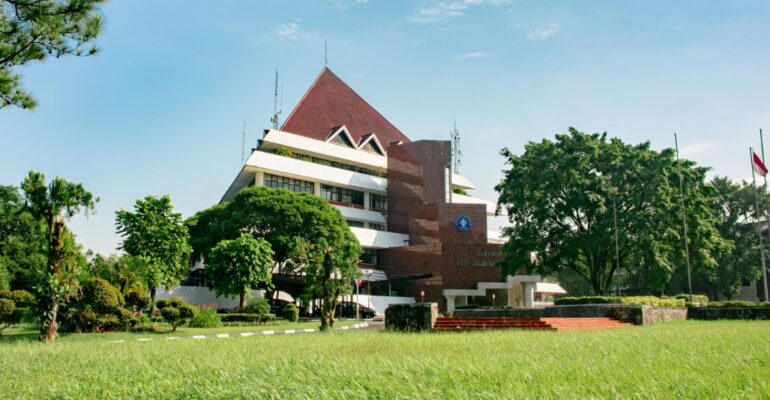
IPB University is the only university in Indonesia to achieve green (normal variation) status in the Research Integrity Risk Index (RI²). RI² is the world’s first composite metric developed by Professor Lokman Meho from the American University of Beirut to identify the level of risk to the integrity of an institution’s scientific publications. This index assesses the extent to which higher education institutions maintain quality and ethics in scientific publications, as an alternative to conventional ranking systems that generally only emphasize research productivity.
IPB University Vice Rector for Research, Innovation, and Agromaritime Development, Prof Ernan Rustiadi, said that out of a total of 2.000 universities assessed as of August 2025, there were 20 universities in Indonesia on the list. “IPB University is the only university in Indonesia with a normal variation status,” he said.
Furthermore, Prof Ernan explained that RI² version 2025 is the second assessment phase of this index, after it was first launched in July 2024. In this latest assessment version, the number of universities assessed and the methodology have been updated. First, the number of universities assessed has increased from 1.500 to 2.000 universities. In Indonesia, the number of campuses included in the ranking has increased from 13 to 20 campuses, namely universities that have a minimum of 1.250 publications indexed by Scopus or Web of Science (WoS).
Second, the number of assessment indicators has increased from two to three, with the addition of a self-citation indicator alongside the two previous metrics, namely the number of retracted publications and the number of articles in journals that have been discontinued/delisted from the Scopus and WoS databases.
Then, the RI² calculation results are classified into five color categories that describe the level of research integrity risk, from highest to lowest:
- Red Flag: extreme anomalies, indicating systemic integrity risks.
- High Risk (Orange): significant deviations from global norms.
- Watch List (Yellow): fairly high risk, concerns about integrity arise.
- Normal Variation (Green): within normal global variation limits.
- Low Risk (White): highly compliant with publication integrity norms.
IPB University’s achievement of Normal Variation (Green) status is an indication of the high integrity of its academic community in maintaining scientific ethics and integrity. However, Prof Ernan emphasized that challenges remain.
“The IPB University community needs to continue to improve scientific integrity and international publication literacy to avoid intentional, unintentional, or unknowing violations of global scientific publication ethics,” he said. (MHT) (IAAS/LAN)