
IPB University Students Develop Antiacne Sunscreen from Shallot Peel and Seaweed Waste
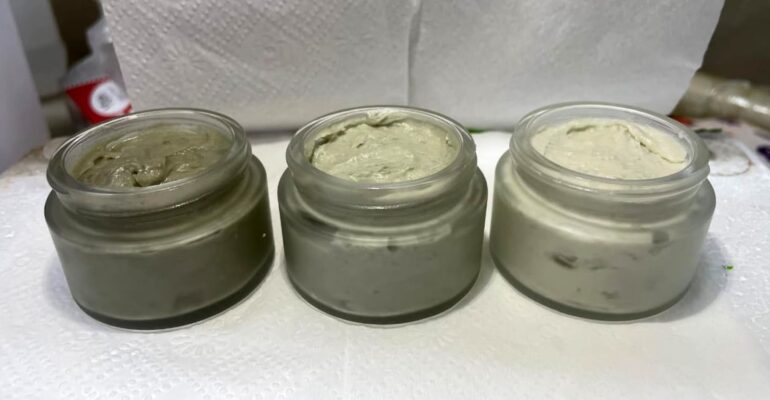
Shallot peel, which is usually discarded, can actually be transformed into a beauty product. A team of IPB University students succeeded in utilizing it as an eco-friendly antiacne sunscreen base material combined with seaweed.
The team members are Sinta Dewi Putri from the Department of Chemistry (leader), Zahra Salsabila Hananingsih, Zahwa Sheillazara Fadhilah Ardi, Viola Andini Ferdian Putri, and Unzila Nisa Sajdah from the Department of Biochemistry. All five are students of the Faculty of Mathematics and Natural Sciences (FMIPA) participating in the Student Creativity Program (PKM) under the supervision of lecturer Dr Syaefudin.
Sinta explained that shallot peel and seaweed contain bioactive compounds beneficial for skin health. These natural active compounds can act as antibacterial agents against Propionibacterium acnes, the bacteria that cause acne, while also providing antioxidant and anti-inflammatory effects.
“Shallot peel and seaweed contain phytochemical compounds such as flavonoids (quercetin, anthocyanin), tannins, and phenolic compounds that act as antioxidants and antibacterials,” she explained.
As for seaweed, she continued, it is rich in bioactive compounds such as polysaccharides (alginate, carrageenan, agar), vitamins, minerals, as well as phenolic and terpenoid compounds that have been proven to possess antioxidant, anti-inflammatory, and antibacterial activity,” she explained.
Their sunscreen product has several advantages compared to commercial products made from synthetic materials. In addition to utilizing organic shallot peel waste, the natural ingredients used are more environmentally friendly and have minimal side effects.
“We try to offer a natural alternative, with minimal side effects, and potentially safer for sensitive skin,” added Sinta.
Furthermore, she stated that the combination of shallot peel and seaweed extracts has a synergistic effect. Based on literature, shallot peel extract can inhibit Propionibacterium acnes bacteria by 60–80%, while seaweed extract can inhibit it by 40–70%, depending on the type and concentration of the extract.
“If these two ingredients are combined, their effectiveness has the potential to exceed 80%,” she reviewed.
In addition to acting as an antibacterial agent against acne-causing bacteria, their bioactive contents also function as antioxidants to fight free radicals, anti-inflammatory agents to reduce inflammation, while maintaining skin moisture. This potential opens great opportunities for the use of local materials as the basis for multifunctional natural cosmetics.
“This product fits the green cosmetics trend because it is made from natural and environmentally friendly ingredients, and its market potential is very broad, especially among teenagers and young adults. Moreover, it has potential to be developed as a halal, organic, and local cosmetic product,” she concluded.
With this innovation, IPB University students not only create added value from shallot peel waste but also present a sustainable solution that supports the green cosmetics trend in Indonesia. (dh)(IAAS/RSL)

