IPB University Expert: Shrimp Contamination Requires Improvements in Fisheries Quality Management
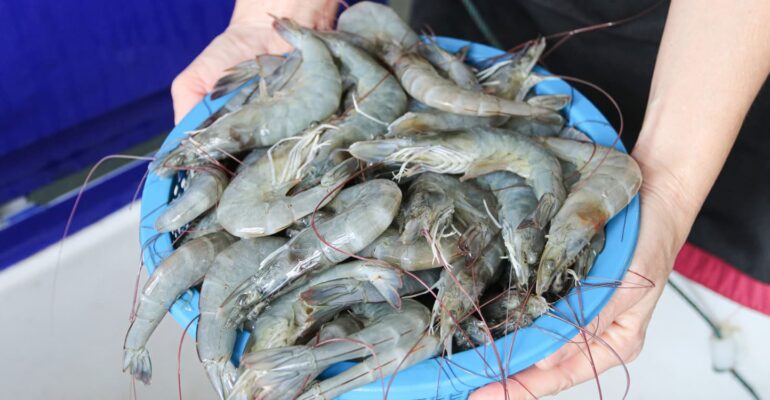
The recent shrimp contamination case is an important signal for the national fisheries sector. Behind this technical issue lies a structural problem in quality management and the supply chain that needs to be addressed immediately to prevent widespread impact on Indonesia’s economy and export reputation.
According to Dr Nimmi Zulbainarni, an expert in marine economics and natural resources at IPB University, the potential losses from this case could be significant. “Shrimp accounts for about 36-40 percent of Indonesia’s total fisheries exports. If exports are disrupted, the impact could reach hundreds of millions of dollars per year,” she said.
Data from the Ministry of Maritime Affairs and Fisheries (KKP) in 2024 shows that the United States absorbed around 63 percent of Indonesia’s shrimp exports with a value of USD 477 million in the first half of 2024. If there are import restrictions, rejection risks, or re-exports, the potential losses could reach USD 200-300 million per year.
In addition to the direct impact, export disruptions also put pressure on domestic shrimp prices. “Every 10 percent decline in exports can reduce domestic prices by up to 8 percent. Small farmers are the most affected because production costs such as feed and energy remain high,” explained Dr Nimmi.
She added that the root causes of this problem lie in weak quality control, inefficient supply chains, and a lack of incentives for compliance with international standards. Currently, only about 45 percent of fish processing units (UPI) are HACCP or BAP certified, and more than 70 percent of smallholder farms do not have CBIB certification.
“The long supply chain increases the risk of quality degradation, especially since most have not fully implemented cold chain management. Without incentive support, small players find it difficult to meet international standards,” she said.
Dr Nimmi warned that the reputational impact of this case could spread to other commodities such as tuna, crab, and seaweed. “Once the image of quality is damaged, importing countries could tighten their supervision of all marine products from Indonesia,” she said.
As a solution, she emphasized the importance of systemic reform through risk-based monitoring, certification digitization, and the implementation of cross-commodity traceability.
“This crisis must be a momentum to strengthen quality management so that our fishing industry becomes more resilient and competitive in the global market,” she concluded. (AS) (IAAS/ASY)