Want to Succeed in College? Follow These Five Important Habits!
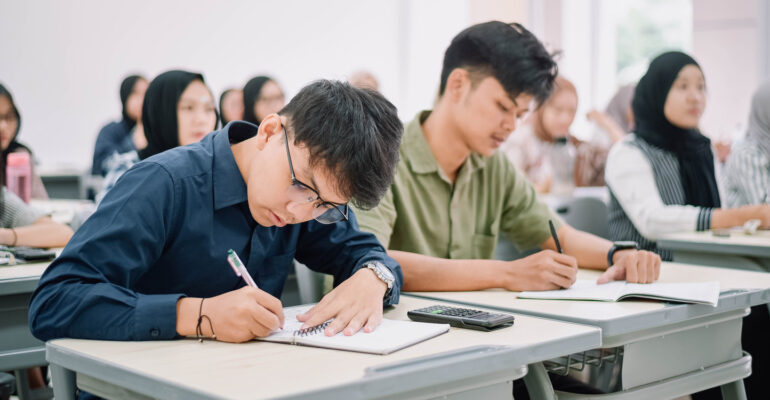
Entering the world of college is not just about studying in class, but also about building positive habits to support academic success and self-development.
IPB University counselor, Dr Melly Latifah, emphasizes that students need to instill an orderly lifestyle from the beginning so they are ready to face the challenges of college as well as the working world.
“Having positive habits from the start of college is very important to support academic success and self-development,” said Dr Melly, who is also a lecturer in the Department of Family and Consumer Sciences.
According to her, there are five main habits that students should apply from the moment they start college:
1. Effective Time Management
Students need to create daily or weekly schedules, make a list of priorities, and avoid the habit of procrastination. “Time management is the key to productivity, life balance, and academic success,” said Dr Melly.
She recommends using priority methods, calendar apps, the Pomodoro technique, and weekly evaluations so that students can complete assignments on time without excessive stress.
2. Active Learning Strategies
Dr Melly emphasizes the importance of learning actively, for example by taking notes, summarizing, asking questions when you do not understand, and reviewing material regularly.
“Learning is not only before exams, but must be done consistently,” she explained. Students are also encouraged to utilize various additional learning resources, ranging from books, journals, to digital media.
3. Building Networks and Collaboration
Networking becomes an important factor in supporting self-development. Good relationships with friends, lecturers, and alumni can open opportunities for scholarships, internships, and collaborative research.
“Campus networking can provide academic support, collaboration opportunities, access to information, and career preparation,” she revealed. In addition, interactions with various parties also train communication, negotiation, and teamwork skills.
4. Maintaining Physical and Mental Health
Students are advised to maintain sleep patterns, exercise regularly, and consume nutritious food. Mental health must also be considered, for example by managing stress, balancing academic and social life, and having the courage to seek help when feeling pressured.
“Don’t force yourself to always be perfect. Accept yourself as you are; that is important to maintain mental health,” stressed Dr Melly.
5. Proactively Seeking Knowledge and Experience
Learning does not only come from the classroom. She suggests students actively participate in seminars, organizations, competitions, and internships. “Proactive people don’t wait for opportunities, they create them,” said Dr Melly.
That can start from small steps, such as attending one webinar or reading a scientific article every week. That way, students can become lifelong learners and be more prepared to face the professional world.
Dr Melly added, all these habits not only help students achieve academic success, but also shape independence and readiness to face the world of work. “The key is consistency and willingness to self-evaluate regularly,” she said. (Fj) (IAAS/KMR)