Mastitis Threatens Health and Milk Quality, Lecturer at Faculty of Animal Science IPB University: Here Are the Characteristics and Treatment Tips
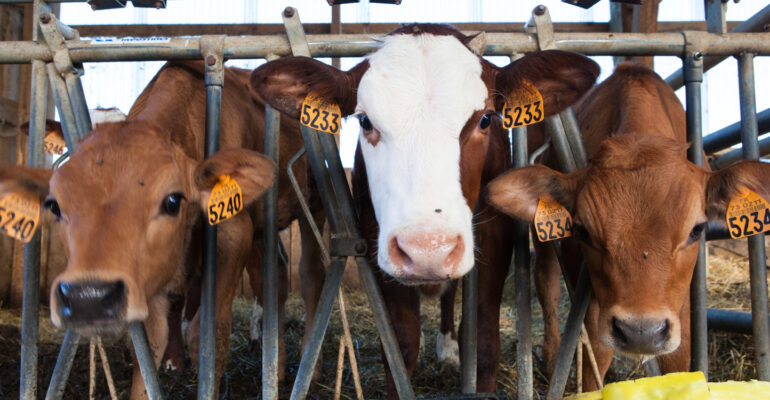
Faculty of Animal Science lecturer at IPB University, Dr Iyep Komala, revealed that the world of dairy farming is facing a serious challenge that often goes unnoticed, namely mastitis. This disease not only affects animal health, but also causes huge economic losses for farmers and reduces the quality of milk production.
“Mastitis is an inflammation of the cow’s udder tissue that is generally caused by a bacterial infection. Symptoms include swelling, redness, and changes in the color and texture of milk,” said Dr Iyep in one of the videos on IPB TV’s YouTube channel.
Recognize the Characteristics of Mastitis
He mentioned that the main cause of mastitis is bacteria, which often comes from an unclean farm environment. In addition, poor farm management also contributes, such as stress on cows, errors in handling, improper feed changes, rough treatment from farmers, and long cow hooves during milking that can cause wounds.
“When cows get mastitis, they usually show signs of discomfort, such as decreased appetite. If the condition is left chronic, it can cause permanent damage to the udder,” he adds.
In addition to lowering productivity, mastitis also causes a drastic reduction in milk quality. The milk produced may contain pathogenic bacteria that are harmful for human consumption.
Two Treatment Methods
As a form of prevention, Dr Iyep suggests maintaining stable sanitation and applying good milking practices.
He explained that if a cow is already infected with mastitis, treatment can be done by two methods, namely using antibiotics or natural ingredients such as herbs.
“The use of antibiotics must be done carefully because mistakes in their use can cause antibiotic residues in milk,” he said.
Another alternative that is also used in smallholder farming practices is betel leaf. “The best thing is to use betel leaf extract. But if it is not available, farmers can boil betel leaves to use as a natural antiseptic,” he explains.
Dr Iyep also suggests the teat dipping method, which is dipping the cow’s teats into an antiseptic solution such as iodine tincture or betel leaf decoction after milking. This step aims to prevent bacteria from entering the nipple ducts and minimize the risk of mastitis.
Furthermore, Dr Iyep explained that education and assistance to farmers is needed to reduce the incidence of mastitis in the field.
“If we are able to maintain cage cleanliness, conduct hygienic milking, and routinely check udder health, then mastitis can be minimized. This is necessary to maintain the sustainability of the people’s livestock business and the quality of community nutrition,” he said. (dr) (IAAS/NRA)