IPB University Reptile Expert Warns of the Dangers of Releasing Pet Snakes into the Wild, Suggests This Alternative
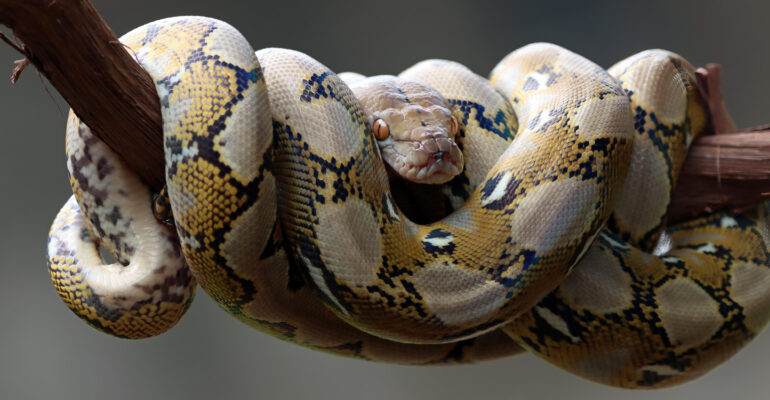
The trend of keeping wild animals, including snakes, as exotic pets is growing in popularity. However, many people release these animals into the wild due to boredom or inability to continue caring for them.
IPB University Herpetology Expert, Prof Mirza Dikari Kusrini, warns of the danger of this trend of releasing pet snakes into the wild. He considers this action highly irresponsible and capable of causing various ecological and public safety issues.
“When snakes are released carelessly, there is a risk of uncontrolled population growth, especially if the snake is not a native species to the area. This can disrupt the balance of the local ecosystem,” he explained.
Furthermore, he emphasized that keeping venomous snakes or large snakes like pythons can potentially endanger the public. If these animals harm others, the owner could face legal sanctions under Law Number 5 of 1990 regarding the Conservation of Biological Natural Resources or related regional regulations on public order.
Prof Mirza expressed regret that until now there are no clear regulations regarding snake ownership in Indonesia, especially for unprotected species. The existing regulation only regulates the keeping of protected snake species, which is defined in Government Regulation (PP) Number 7 of 1999 on the Preservation of Plant and Wildlife Species, which is a derivative of Law Number 5 of 1990 on Biological Natural Resources and Ecosystems.
“The regulation, among other things, prohibits the keeping of protected wildlife. Meanwhile, the python commonly kept as a pet, namely Malayopython reticulatus, is not included in the list of protected wildlife in Indonesia,” he said.
In addition, there are no clear rules for releasing snakes in nature. Although, he said, it might be included in regional regulations (perda) related to public order.
Prof Mirza then compared this to other countries like Australia, which implements a special licensing system for keeping wild animals. “In Australia, people who want to keep venomous snakes must have experience keeping non-venomous snakes for several years first,” he said.
“We should also have such regulations to ensure mutual safety,” he emphasized.
Furthermore, he advised people who can no longer able to keep snakes not to release them into the wild. Instead, the snakes should be handed over to official conservation institutions or competent reptile communities for safer and more appropriate handling.
Prof Mirza also emphasized the importance of educating the public about the role of snakes in the ecosystem. According to him, coexisting with wildlife requires proper awareness and understanding.
“Keep the environment clean, don’t dispose of food waste carelessly because it attracts rats—and rats attract snakes. If you encounter a snake, immediately report it to the authorities so it can be handled safely,” he advised. (IAAS/ANF)