IPB University Expert: Indonesia Excels in Lobster Seeds, but Lags Behind and Loses Competitiveness to Vietnam
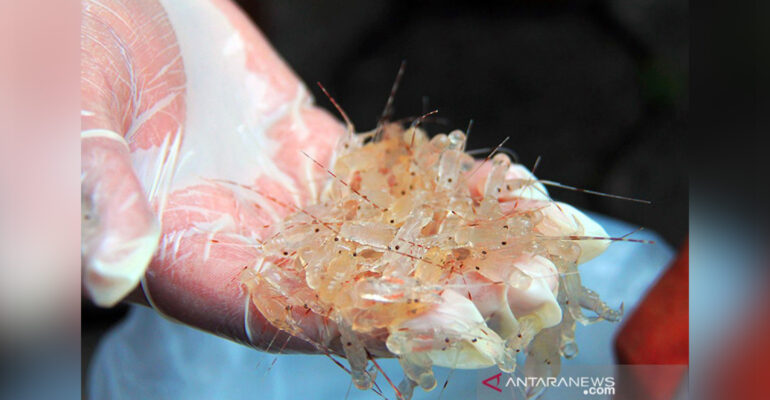
Indonesia has an advantage in natural resources in the form of an abundance of sea lobster seeds compared to Vietnam. However, continuity of seed supply, technological limitations, and global marketing barriers are factors that hinder the competitiveness of national lobster cultivation.
This was stated by IPB University Aquaculture Expert Dr Kukuh Nirmala in his analysis of the opportunities and challenges in developing this high-value commodity.
Dr Kukuh explained that natural lobster seeds in Indonesia are often hindered by seasonal factors, environmental changes, overfishing, and smuggling abroad. On the other hand, domestic lobster seed production has not developed optimally.
“Lobster breeding activities in Indonesia are still very limited, investment costs are high, technology has not been fully mastered, and domestic demand for larvae from breeders is not significant,” said the lecturer from the Department of Aquaculture, Faculty of Fisheries and Marine Sciences (FPIK) at IPB University.
Nevertheless, Dr Kukuh stated that the primary factor causing Indonesia to lag behind Vietnam is not technology or human resources, but rather logistical barriers and access to global markets.
“The geographical location of importers in Asia is easier to reach from Vietnam than from Indonesia. Especially if our farming is in Maluku, Kalimantan, West Nusa Tenggara (NTB), or Java. Importing countries prefer live lobsters, so our transportation costs are higher,” he explained.
As a result, the selling price of Indonesian lobsters in the international market becomes more expensive. “The selling price of our sea lobsters is Rp60 thousand more expensive than Vietnam’s, so we lose out in competition,” he clarified, referencing information from lobster farmers in North Sumatra.
To support the productivity of small-scale farmers, Dr Kukuh revealed that IPB University has developed several ready-to-apply technologies. “Some technologies have been implemented, including anti-cannibalism compartments, RAS for tank farming, and live lobster transportation,” he said.
However, he noted that challenges in the grow-out phase still require serious attention. “Challenges in grow-out include reducing cannibalism, feed efficiency, growth acceleration, and live transportation,” he added.
Dr Kukuh also emphasized the importance of sustained synergy between university research and industry needs. “Regular and periodic platforms for sharing field issues, research seminars with industry stakeholders, and collaboration in providing demonstration plots should be established,” he stressed.
He hopes these efforts will enhance the efficiency and competitiveness of Indonesia’s lobster farming industry in the global market. (Fj) (IAAS/LAN)