
Is Using Used Paper to Wrap Pindang Fish Dangerous? Here’s What IPB University Experts Say
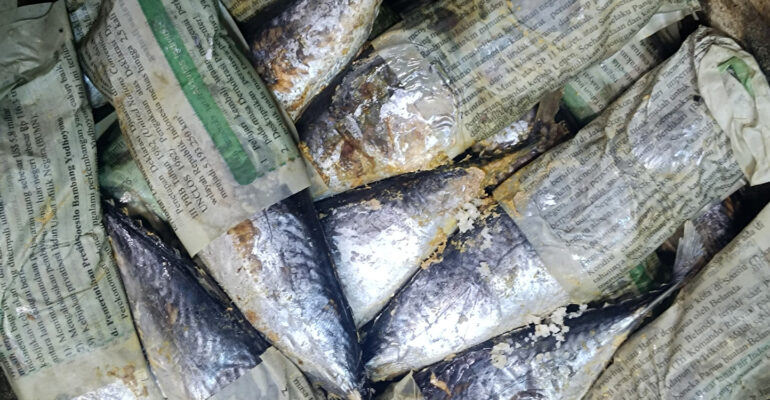
The use of used paper as wrapping for pindang fish is considered dangerous to consumer health. Professor Eko Hari Purnomo, a Food Science Expert at IPB University, revealed that this practice is an example of poor food handling and packaging.
“Used paper has the potential to contaminate pindang fish. This paper can carry microbiological or chemical contaminants that accelerate food spoilage and harm consumer health,” said Prof Eko during a break from teaching at the Department of Food Science and Technology, IPB University’s Dramaga Campus, on Monday (6/23).
He explained that used paper may contain harmful microorganisms as well as chemicals such as ink and organic solvents used in its production process. These chemical components pose a risk of migrating into the dried fish.
“Ink migration on used paper is often clearly visible from the printed text adhering to the fish,” he said.
According to Prof Eko, the effects of such contamination can be short-term or long-term. Microbiological contamination can cause immediate health issues after consumption, while chemical migration poses risks of chronic diseases like cancer in the long term.
To address this issue, he emphasized the importance of educating producers and consumers to avoid using used paper as food packaging. “Consumers can start refusing to buy smoked fish wrapped in used paper, prompting producers to switch to safer packaging,” he said.
As an alternative, Prof Eko recommends using banana leaves or other types of leaves available at pindang fish production centers. Besides being safer, these natural materials are also environmentally friendly and can impart a distinctive flavor to the fish. (IAAS/FMT)

