
IPB University Expert: Qurbani Animal Waste Needs to Be Managed to Avoid Polluting the Environment
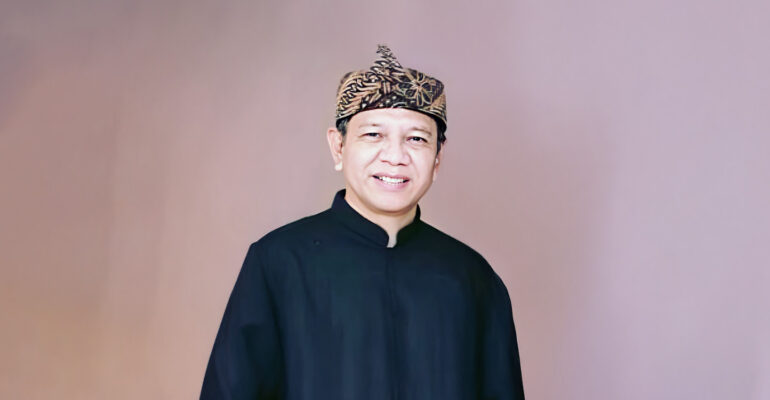
The increase in slaughtering activities during Eid al-Adha must be accompanied by attention to the management of livestock waste. Faculty of Animal Science Lecturer at IPB University, Dr Salundik, said that if not handled properly, this waste can pollute the environment and disturb public health.
“Livestock waste that is not managed properly can cause serious environmental impacts. Starting from pungent odors, fly invasion, to aesthetic disturbances, especially because the location of sacrificial animal sales is generally located in dense urban areas,” he explained.
He explained that livestock waste during qurbani can be categorized into two categories: waste at the selling location and waste at the slaughtering location.
At the selling location, the waste produced is in the form of feces and leftover forage. The accumulation of livestock in large numbers for approximately 20 days before Eid al-Adha causes a significant amount of waste accumulation.
For example, if there are 50 cows with an average manure production of 20 kg per head per day, 20 tons of waste will be collected in 20 days.
Meanwhile, at the slaughterhouse, different types of waste are produced, including blood, rumen contents and digestive tract. According to Dr Salundik, this type of waste has a higher risk of contamination and requires special handling, especially in cramped locations scattered across the city.
Dr Salundik suggests that faecal and feed waste can be converted into more useful products, such as composted organic fertilizer or vermicompost. “This is the easiest solution to implement and provides added value,” he said.
However, Dr Salundik continued, the biggest challenge in implementing waste treatment at slaughter sites is the uncertainty of livestock numbers, scattered locations, and limited land. (dr) (IAAS/RWA)

