
IPB Researchers Revealed the Microbiological Condition of the Dolphin Respiratory System
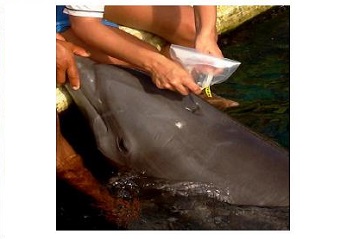
Bottlenose dolphin is the most common and well-known species of dolphins. Its habitats are in warm waters around the world and can be found in almost all waters except the Antarctic Ocean. Disorders of the respiratory system in the dolphins are common, but the type of bacteria that often attacks the dolphins from the waters of the Java Sea has not been studied in depth.
The research team consisted of Agustin Indrawati from the Department of Microbiology, Faculty of Veterinary Medicine (FKH) of Bogor Agricultural University (IPB); Guntari Titik Mulyani from the Department of Internal Medicine, FKH of Gadjah Mada University (UGM); Yuda Heru Fibrianto from Department of Physiology, FKH of UGM; along with Teguh Budipitojo from Department of Anatomy, Faculty of Medicine of UGM examined the respiratory system and microbiological respiration study of Indo Pacific bottlenose dolphins (Tursiops aduncus) from Java Sea Waters.
"Dolphins are protected animals. It is classified in Appendix II as an animal that is not threatened with extinction, but it may be if trade continues unabatedly," said Agustin.
Bottlenose dolphin is a marine mammal that breathes with lungs. The external respiratory hole as the only respiratory hole is called a blowhole located near the apex of the skull bone. The most common health disorders are bacterial infections that attack the respiratory system.
"Normally, there are some normal microbiota such as bacteria, viruses, fungi and protozoa that live in the respiration system of the dolphins. However, these microorganisms will turn into pathogens when animals experience stress, or are under certain anti-microbial treatments. Bacterial disease, morbilivirus infection and phytotoxins are the cause of death of water mammals in the world," he explained.
The researchers conducted a literature study, clinical examination and isolation of respiratory system samples towards ten bottlenose dolphins at PT. Wersut Seguni Indonesia. Samples were sent to the laboratory of microbiology of FKH UGM for the isolation and identification of bacteria and fungi.
From the experimental results, the researcher explained that the clinical examination of dolphins could only be done by inspection. From the isolation and identification of the bacteria from the samples obtained from blowhole, the team found only the gram-positive bacteria that emerged after macroscopic and microscopic examination of the colony. Of the 10 samples, it was found that 5 dolphins (50 percent of those studied) were positive for Staphylococcus aureus, while other bacteria including Pseudomonas aeroginosa and Pasteurella multocida were not present in all samples. In addition to the examination of bacteria from swab samples, the presence of fungus was also examined by using Sabouraud's Dextrose Agar (SDA) media, but all samples showed negative results.
"Based on the results of the study, it was concluded that clinical examination of dolphins can be done by inspection of blowhole, animal behaviour, the presence of "chuff" or "honk" (cough), the frequency of respiration, animal socialization and animal position while swimming. Staphylococcus aureus bacteria were found in breathing system of bottlenose dolphins from Java Sea waters at PT. Wersut Seguni Indonesia," he said. (TK)

