
IPB Developed Traditional Cakes from Makassar
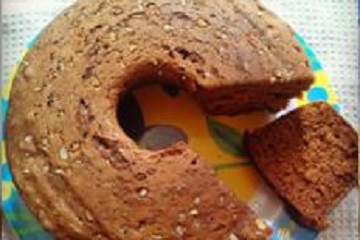
A group of researchers, namely Prof. Clara M Koesharto, Trina Astuti, Aisyah, Sri Anna Marliyati, Risti Rosmiati of Bogor Agricultural University and Public Health Polytechnic Jakarta II, decided to produce innovative food by utilizing purry powder. Their research project was published in 2015 on "Formulasi, Kandungan Gizi, Dan Daya Terima Kue-Kue Tradisional Makassar Berbasis Tepung Pupae–Mulberry (Purry) Sebagai Makanan Bergizi Masa Depan (Formulation, Nutrition, and Acceptance of Traditional Puppies Based Makassar Pupae-Mulberry (Purry) as Nutritious Food of the Future)".
Traditional cakes developed in this research were bolu sponge rampari (sponge rampari cake), purry deppatori, and purry stick. The difference between the newly developed cakes with the existed traditional cakes was the addition of Pupae-Mulberry powder (Purry).
The characteristics of purry powder, it is a bright yellow with a savory aroma like ebi or fried shrimp. This powder is made from mulberry pupa extract as a by-product of spinning silk thread. Purry powder is already widely used as one of the foodstuffs to make biscuits, sticks, crackers, sponges and bread. They have been developed in Jakarta, Bogor and Makassar.
The previous research showed that the provision of purry porridge for three months of malnourished infants aged 6-9 months in Teluknaga Banten showed their physical growth and positive motor development.
"Makassar, is the city noted for its variety of traditional cake and snacks, and the mainstay of natural silk center as well. Many by-products of silk are thrown away and have not been utilized to the fullest. Yet the nutrient content of purry powder is quite good, as it contains 33.4% protein; 25.5% fat, essential fatty acids, vitamins, and minerals "Prof. Clara said.
Three types of traditional cake were made. The main ingredient of these cakes are purry powder which is obtained and processed directly as a by-product of natural silk center of Wajo, South Sulawesi. Other ingredients include wheat flour, cornstarch, chicken eggs, liquid margarine, brown sugar, sugar, cinnamon, sticky rice flour, rice flour, sesame, tapioca starch, cooking oil and salt.
"The study revealed that traditional cakes added with purry flour have higher energy and nutrient contents compared to traditional cakes not added purry flour. The substitution of purry flour products increase the product energy by about 1-8.3%, the protein 47.1-62.5%, and the highest fat content compared to other nutrients by 50.6-118.8%, while the carbohydrate content is decreased," she explained.
The organoleptic test of 25 semi-trained panelists from Polytechnic of Community Nutrition Health students showed the acceptability of the quality of the product which included the taste, colour and aroma attributes by the community. Most of the panelists showed the high degree of preference for rampary cake and purry stick. The level of preference for the deppatory cake is less than 50%. (Wied)

