IPB University’s Support System to Foster Student Resilience and Adaptability
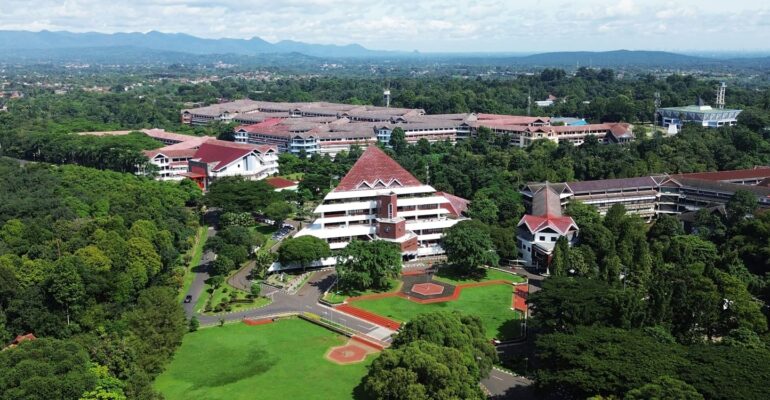
IPB University places student resilience at the heart of its educational development strategy. To achieve this, the university provides a comprehensive support system designed to strengthen students’ endurance and adaptability throughout their academic journey.
“Students make up the largest population at IPB University. As of July 2025, our multistrata student body numbers 34.219 individuals. Therefore, the core resilience of the university lies in its students,” said Vice Rector for Education and Student Affairs, Prof Deni Noviana.
Students at IPB University come from highly diverse backgrounds, representing 34 provinces across Indonesia, with differences in social, cultural, and economic conditions. This diversity, Prof Deni explained, requires educational and student-affairs policies that can ensure the continuity of every student’s studies.
“In other words, the goal is to help all students remain resilient and successfully graduate, regardless of their financial background. That’s why IPB University has developed a robust support system to ensure that no student has to drop out due to economic hardship,” he stated.
This support system includes a single tuition fee (UKT) scheme for undergraduate and applied undergraduate programs, ranging from IDR 500.000 per semester to the highest tier, a wide variety of scholarships from the government, alumni, and corporate partners. Prof Deni revealed that 30 percent of IPB’s undergraduate and applied undergraduate students are scholarship recipients.
Beyond financial aid, IPB University also strengthens resilience through character-building programs. Since 2019, all new undergraduate and applied undergraduate students have participated in talent mapping, 7 Habits training, and soft skills development as part of the New Student Orientation Program (Masa Pengenalan Kampus Mahasiswa Baru or MPKMB). Starting in 2025, the university will also implement a talent management system.
“A high GPA is important, but true success depends on honesty, integrity, discipline, and communication skills. Students are trained to develop a growth mindset, apply problem-based learning, gain real-world experiences, and collaborate with IPB University’s partners. These are the values we instill from the very beginning,” Prof Deni added.
From a psychosocial perspective, IPB University provides counseling services through both lecturers and specially trained peer counselors. This approach has proven effective in addressing the needs of gen Z students, who often feel more comfortable sharing their experiences with peers.
Furthermore, Prof Deni continued, IPB University has partnered with psychiatrists and the Agrianita IPB community in student dormitories to enhance mental health services. “Every Saturday, we organize regular programs in the dorms, including mentorship by faculty or school foster mothers. We want students to have a safe space to consult and express themselves,” he explained.
To support student well-being, IPB University also runs welfare programs such as warung kita, where students can enjoy nutritious, delicious, and affordable meals for only IDR 10.000, along with daily free fruit and milk programs, and a food bank. “Resilience also means meeting basic needs. If students skip breakfast, how can they concentrate in class? That’s why IPB ensures access to affordable, nutritious food,” he emphasized.
Through these initiatives, IPB University ensures that no student is left behind due to financial or personal limitations. “In essence, once a student joins IPB University, we are fully committed to finding solutions. Student resilience reflects the resilience of the university itself,” concluded Prof Deni. (*/Rz) (IAAS/TIR)