Home Cooked Food Is Only Safe at Room Temperature for a Maximum of Four Hours, According to an Explanation from a Nutritionist at IPB University.
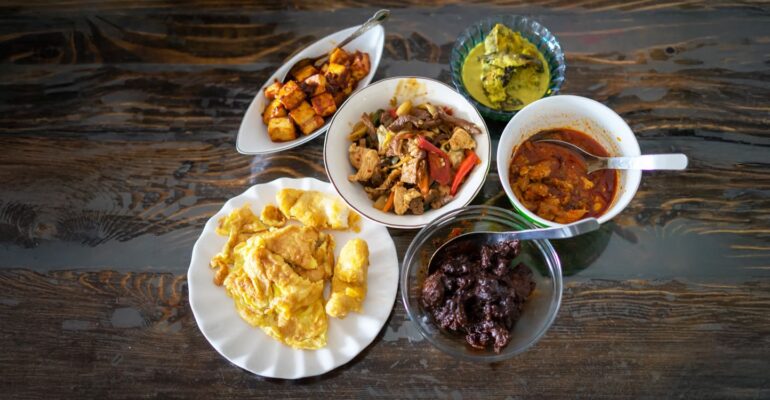
Cooked food should not be left at room temperature for more than two hours. This was stated by Reisi Nurdiani, SP, MS, a lecturer at the Department of Community Nutrition at IPB University, in her statement regarding the safety of consuming home-cooked food.
According to Reisi, as she is affectionately known, cooked food stored at room temperature (25–30°C) is only safe to consume within 2–4 hours. If the room temperature exceeds 32°C, the safe time limit drops to just 1 hour.
“After that time, the risk of growth of pathogenic bacteria such as Staphylococcus aureus, E. coli, and Salmonella increases dramatically,” she explained, referring to guidelines from the United States Department of Agriculture (USDA) and the World Health Organization (WHO).
To maintain food safety, Reisi advised that food should be cooled as soon as possible after cooking and stored in a refrigerator at a maximum temperature of 5°C if not consumed immediately.
She also explained the importance of paying attention to holding time, or the maximum time food can remain at a certain temperature before being consumed again.
“Disease-causing microorganisms grow rapidly at temperatures between 5°C and 60°C. Therefore, food that will be stored overnight must be cooled immediately and reheated to a minimum internal temperature of 74°C before being eaten,” she added.
Reisi emphasized that storing food at room temperature overnight is very risky, even if it is reheated. “Some bacteria, such as Staphylococcus aureus, can produce heat-resistant toxins that cannot be killed by heating alone,” she said.
She also urged that food should not be reheated more than once. Improper heating can reduce the nutritional quality of food and increase the risk of contamination.
In terms of seasonings, Reisi mentioned that some spices such as turmeric, onions, and chilies contain natural antimicrobial compounds that can extend the shelf life of food. However, fresh ingredients such as vegetables and meat are still susceptible to spoilage if left at room temperature.
For working women who bring lunch boxes, Reisi recommends practical and long-lasting menus, such as fried chicken, tempeh orek, chicken with soy sauce, and rice with dry side dishes. She suggests that vegetables with sauce be stored separately, and lunch boxes be carried in food-grade airtight containers, or using a cooling bag if possible.
“Packed lunches should consist of carbohydrates, animal/vegetable protein, vegetables, and fruit. A nutritionally balanced packed lunch is one that is prepared from a variety of food ingredients in amounts that meet nutritional needs. Also, make sure that the storage containers are clean and safe so that the nutrients are preserved until lunchtime,” she concluded. (dh) (IAAS/LAN)