IPB University Medicinal Plant Expert: Mulberry, a Potential But Underutilized Plant
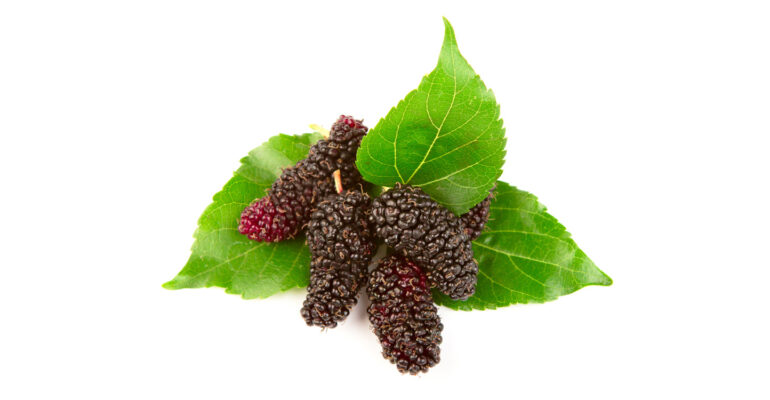
Mulberry plants (Morus spp.), which have been known in Indonesia as silkworm feed, have great potential in the health sector. Unfortunately, its utilization in the country is still limited when compared to other countries such as China. This was conveyed by Prof Sandra Arifin Aziz online to the reporter of IPB Public Relations (7/9).
In Indonesia, mulberry is generally used for the silk industry and as animal feed. While in China, people have long utilized mulberry leaves as vegetables and traditional medicine.
“In China, mulberry leaves are used to lower blood pressure, as an antidiabetic, help liver function, relieve cough, and improve eye, kidney and skin health,” said Prof Sandra, a medicinal plant expert from the Faculty of Agriculture, IPB University.
According to her, mulberry leaves contain active compounds such as deoxynojirimycin (DNJ), which has the potential as an antidiabetic, and flavonoids that have antioxidant properties.
“The leaves can also be dried and brewed like tea. Other parts such as the bark, fruit, and roots also have benefits, although they are not commonly used in Indonesia,” she said.
In developed countries, mulberry plants can live very long, even hundreds of years. However, Prof Sandra said, rejuvenation is still needed so that the plants remain productive.
Mulberry plants grow well in the highlands. In Indonesia, the Morus alba species is most widely cultivated, especially in the Cianjur region of West Java. Other areas such as South Sulawesi and East Kalimantan are also known as silk production centers, although the utilization of mulberry in the health sector has not been widely developed.
Prof Sandra added that the lack of utilization of mulberry as a medicinal plant in Indonesia could be due to its status as an introduced plant.
She suggested that the potential of mulberry be studied more deeply and utilized optimally, given its rich bioactive content and health benefits. (dh) (IAAS/NVA)