The Dangers of Microsleep While Driving, IPB University Medical Faculty Lecturer Reveals Signs and Prevention Methods
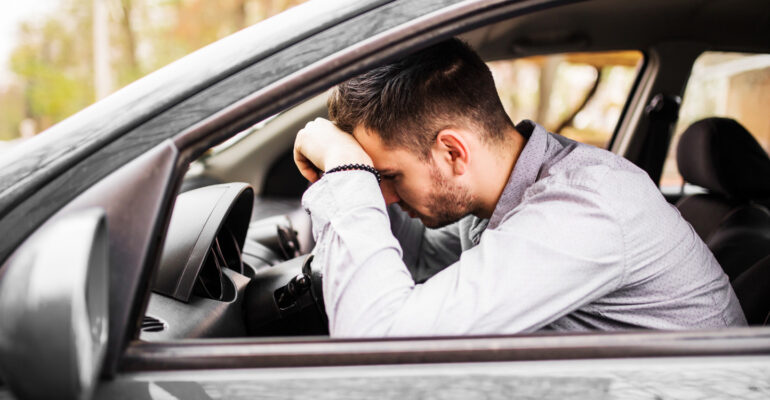
Microsleep is one of the main causes of traffic accidents that claim thousands of lives every year. dr Samuel Stemi, MBiomed, an expert in Physiology from the Faculty of Medicine at IPB University, explains that this condition is extremely dangerous because it occurs suddenly and is often unnoticed by the driver.
“Microsleep is a very brief period of sleep, lasting only a few seconds, typically between 1 and 30 seconds. It occurs suddenly, without our intention, and is actually unintentional,” dr Samuel explained.
He emphasized that this condition is highly risky when driving because it can recur and lead to loss of vehicle control. “The decision we make afterward whether to pull over briefly and sleep properly first, or insist on continuing the journey is crucial,” he said.
According to data from the American Automobile Association (AAA) Foundation for Traffic Safety, 328.000 traffic accidents each year are caused by drowsy drivers, including those experiencing microsleep. Of these, 109.000 result in injuries and 6.400 in fatalities.
Driving for more than 20 hours without sleep is equivalent to driving with a blood alcohol concentration (BAC) of 0,08 percent, which significantly impairs reaction time, coordination, judgment, and cognitive function.
He identified five main causes of microsleep: insufficient sleep (less than seven hours), poor sleep quality such as in sleep apnea patients, monotonous activities like driving on long straight roads, consumption of medications like antihistamines or flu drugs that cause drowsiness, and alcohol consumption combined with physical fatigue.
dr Samuel also cautioned drivers not to ignore signs of extreme fatigue, such as heavy eyelids, difficulty maintaining neck and head position, slouching or dropping the head while sitting, lack of response to conversation, forgetting events from one to two minutes prior, and dropping objects without realizing it.
To prevent microsleep while driving, dr Samuel recommends preventive measures to be taken before departure. These include getting at least seven hours of sleep, ensuring physical fitness, undergoing regular health checkups, planning routes and rest times, having a friend take turns driving, and avoiding alcohol and medications that cause drowsiness.
While on the road, drivers are advised to take a break every one to two hours at a safe location, maintain an upright and comfortable seating position, drink enough water, avoid boredom by listening to music or podcasts, and stop immediately if signs of microsleep appear, such as heavy eyelids or frequent yawning.
“Don’t push yourself. Feeling sleepy and pulling over for a moment may slow down the journey, but it’s a wise choice for safety,” emphasized dr Samuel.
He also added some additional tips, such as stretching during stops, ensuring adequate lighting when driving at night, maintaining a safe distance from other vehicles, and avoiding excessive stimuli that can strain the eyes. (Fj) (IAAS/LAN)